
3,4-Methylenedioxypyrovalerone (MDPV) is a synthetic cathinone in the pyrrolidinophenone family. It is a potent stimulant that blocks dopamine and norepinephrine reuptake, producing a cocaine-like mechanism with particularly strong activity at the dopamine transporter. MDPV became widely known through products marketed as “bath salts” and has been associated with severe agitation, psychosis, cardiovascular complications, dependence and fatal intoxications.
Chemistry and history
MDPV contains a methylenedioxy-substituted phenyl ring, a ketone group and a pyrrolidine ring attached to the alpha carbon. It is structurally related to pyrovalerone and α-PVP. The compound was first reported in the recreational drug market in the mid-2000s and became more prominent in the United States and Europe around 2010–2011.
Products sold as bath salts did not necessarily contain MDPV alone. Forensic analyses have found mixtures of synthetic cathinones and other psychoactive substances, so the product name is not a reliable indication of composition.
Pharmacology
MDPV is a potent inhibitor of the dopamine transporter (DAT) and norepinephrine transporter (NET). In a widely cited study, it inhibited dopamine uptake with an IC50 of 4.1 nM and norepinephrine uptake at 26 nM, while its activity at the serotonin transporter was much weaker. Unlike mephedrone, MDPV does not act as a transporter substrate that releases monoamines; it blocks their reuptake (Baumann and colleagues, 2013).
The S-enantiomer is substantially more potent than the R-enantiomer in transporter and behavioural assays. Animal studies show increased extracellular dopamine, locomotor stimulation and reinforcing effects, consistent with a high potential for compulsive use (Neuropharmacology of MDPV and related analogues, 2017).
Subjective effects
The PsychonautWiki profile of MDPV and clinical literature describe a powerful stimulant effect. User reports mention euphoria, alertness and increased energy, but the drug is also associated with agitation, paranoia and a pronounced tendency towards repeated use.
Physical effects
Reported effects include increased heart rate, elevated blood pressure, sweating, hyperthermia and reduced appetite. Severe intoxication may involve chest pain, seizures, rhabdomyolysis, metabolic acidosis and kidney injury.
Cognitive and behavioural effects
Agitation, anxiety, paranoia, hallucinations and psychosis are prominent in clinical accounts. Some patients display aggressive or disorganised behaviour and may require emergency treatment. Sleep deprivation can further complicate the presentation during prolonged periods of stimulation.
Clinical toxicity
Clinical reports document both non-fatal and fatal MDPV intoxications. The wider literature includes excited delirium-like presentations, severe psychosis, hyperthermia, cardiovascular complications and multiorgan injury. Polydrug exposure is common, but MDPV has also been identified as a major contributor in individual fatal cases.
A review of MDPV and α-PVP use in humans describes the drugs as potent and selective monoamine uptake blockers and summarises analytically confirmed non-fatal intoxications and deaths (Karila and colleagues, 2018).
Metabolism and longer-term concerns
MDPV is metabolised through pathways that include demethylenation, O-methylation, hydroxylation and reduction of the ketone group. Some metabolites retain measurable activity in vitro, but the parent compound appears to account for much of the stimulant effect observed in animal studies.
Repeated use is associated with compulsive patterns and significant psychiatric and physical harms. The long-term consequences in humans remain incompletely characterised, and animal findings cannot directly prove permanent neurotoxicity in humans.
Related compounds
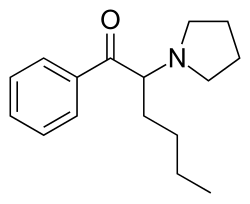
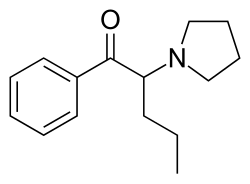
MDPV is related to α-PVP, α-PHP, MDPHP and other pyrrolidinophenones. Its methylenedioxy ring distinguishes it from α-PVP.
Reviews
There are no reviews yet.