Pyrovalerones
MDPV and alpha-PVP are among the compounds most often associated with the name pyrovalerones. They became prominent in forensic and public-health reports as potent synthetic stimulants. The classification can be confusing: pyrovalerones are not separate from cathinones in the broad chemical sense. They belong to the larger synthetic cathinone family and are often discussed as a distinct branch because of their pyrrolidine-containing structure and characteristic transporter activity.
This page focuses on pyrovalerones as a chemical and pharmacological group. The entry on pyrrolidinophenones describes the wider structural subgroup, while the cathinones overview places them among other beta-keto phenethylamines.
Where pyrovalerones fit
Pyrovalerone and related compounds combine a beta-keto phenethylamine framework with a pyrrolidine ring linked through its nitrogen atom. Changes to the aromatic ring and carbon chain produce compounds such as MDPV, alpha-PVP and alpha-PHP. They are grouped by this shared framework, although the substitutions affect their pharmacology.
MDPV has a methylenedioxy substitution on the aromatic ring; alpha-PVP does not. Alpha-PHP has a longer carbon chain than alpha-PVP. In experimental systems, differences of this kind can affect transporter activity and potency. A result obtained with one compound should not be treated as a full description of the others.
Why transporter blockade matters
Many well-studied pyrovalerone-related compounds act mainly as inhibitors of the dopamine transporter (DAT) and noradrenaline transporter (NET). By blocking reuptake, they slow the removal of these neurotransmitters from the synaptic space. This is different from the transporter-substrate mechanism associated with amphetamine and some other cathinones, which can promote neurotransmitter release.
For alpha-PVP, the WHO critical review describes potent activity at DAT and moderate activity at NET, with little activity at SERT in the assays considered. The WHO Expert Committee information on alpha-PVP also summarises its identification and public-health review. Studies of MDPV and related compounds show broadly similar activity, although the balance differs between molecules.
Transporter data help explain why these compounds can differ from cathinones that act primarily as releasing agents. They do not, by themselves, tell us how a person will respond. Brain exposure, metabolism, duration of transporter occupancy and other pharmacological actions all contribute to the clinical picture.
Names, products and market changes
MDPV and alpha-PVP have been found in products sold under vague names such as “bath salts”. The phrase is a marketing label, not a chemical description; it gives no reliable indication of what a product contains. Other pyrrolidine cathinones have appeared as markets changed and related compounds came under legal control.
These market changes complicate monitoring. A substance may be sold under a different name, mixed with other stimulants or replaced by a close analogue. The UK assessment of synthetic cathinone harms compares transporter data for several pyrrolidino-cathinones and reviews the range of clinical concerns reported for the wider group.
Acute toxicity, evidence and laboratory findings
Reported complications include agitation, insomnia, tachycardia, hypertension and overheating. Severe intoxications described in the medical literature have involved psychosis, seizures, cardiovascular events and rhabdomyolysis. Prolonged agitation and high body temperature can also place considerable strain on the kidneys and other organs.
Clinical reports do not all describe the same circumstances. The compound, amount, route of exposure, individual health, ambient temperature and co-exposures can all affect the outcome. Where several substances are detected, it may be difficult to determine how much each contributed.
Much of the pharmacological evidence for pyrovalerones comes from transporter assays and animal studies, alongside forensic detections and clinical reports. These sources are useful for identifying likely mechanisms and acute hazards. They say much less about long-term outcomes or the prevalence of harm among people exposed to a particular compound.
GC-MS and LC-MS/MS are commonly used in forensic identification. High-resolution mass spectrometry and reference standards can help when related pyrrolidine cathinones need to be distinguished. Even then, identifying one compound does not establish the concentration of every component in a sample or show that no other substances are present.
Classification questions
Are pyrovalerones synthetic cathinones?
Yes. They are a specialised branch of the wider synthetic cathinone family and are commonly grouped with pyrrolidinophenones.
Do they release dopamine in the same way as amphetamine?
The best-studied examples, including MDPV and alpha-PVP, are primarily DAT and NET reuptake inhibitors. That differs from the transporter-substrate action commonly associated with amphetamine.
Showing all 10 results
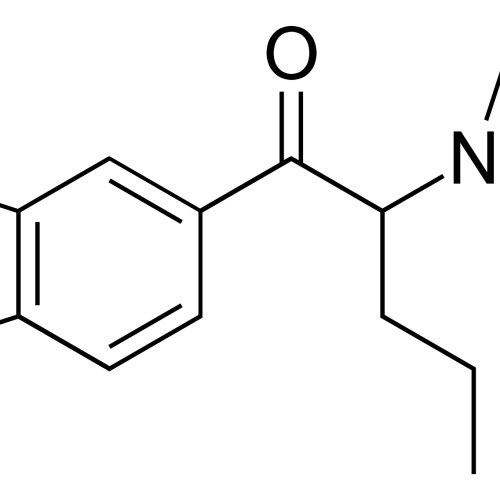
3-desoxy-MDPV
Price range: $390.00 through $8,300.00Select options This product has multiple variants. The options may be chosen on the product page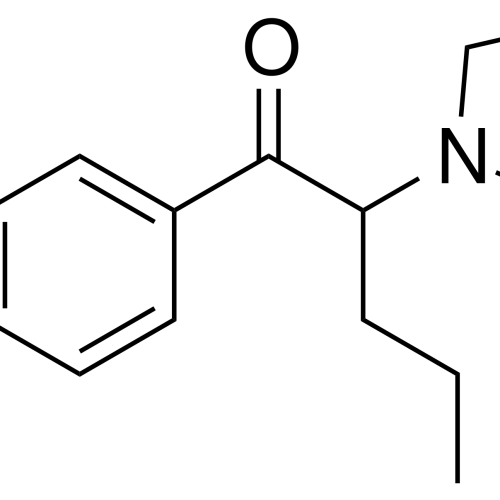
3F-a-PVP
Price range: $390.00 through $8,300.00Select options This product has multiple variants. The options may be chosen on the product page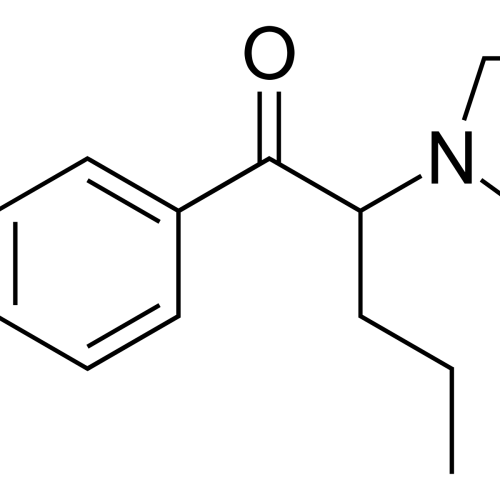
4-CL-PVP
Price range: $390.00 through $8,300.00Select options This product has multiple variants. The options may be chosen on the product page
a-D2PV
Price range: $390.00 through $8,300.00Select options This product has multiple variants. The options may be chosen on the product page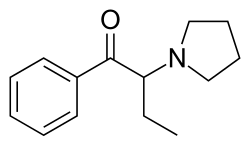
A-PBP
Price range: $390.00 through $8,300.00Select options This product has multiple variants. The options may be chosen on the product page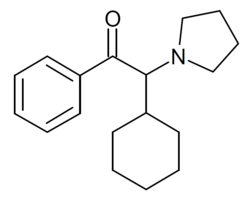
a-PCYP
Price range: $390.00 through $8,300.00Select options This product has multiple variants. The options may be chosen on the product page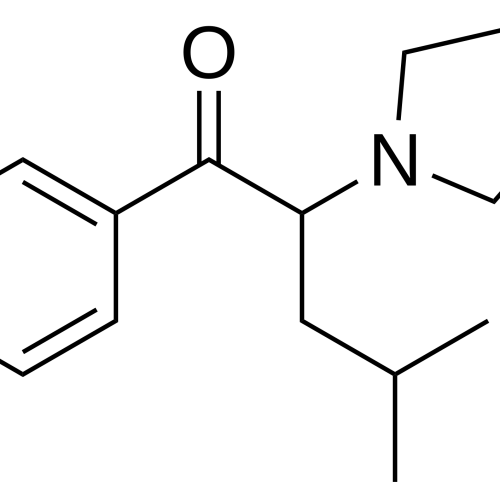
a-PiHP
Price range: $390.00 through $8,300.00Select options This product has multiple variants. The options may be chosen on the product page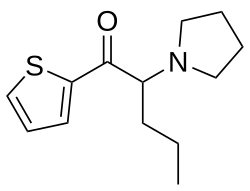
A-PVT
Price range: $390.00 through $8,300.00Select options This product has multiple variants. The options may be chosen on the product page
MDPHP
Price range: $390.00 through $8,300.00Select options This product has multiple variants. The options may be chosen on the product pageTH-PVP
Price range: $390.00 through $8,300.00Select options This product has multiple variants. The options may be chosen on the product page