Sedatives
Sedatives are usually grouped by what they do rather than by the shape of their molecules. They reduce arousal or central nervous system activity, but the term covers several pharmacological routes to that result. A benzodiazepine, a barbiturate and a GABA-related substance may all cause sedation, yet they do not act in exactly the same way or carry the same risks.
In the research-chemical context, the category is particularly associated with novel sedative-hypnotics and compounds that resemble established medicines. The benzodiazepines section covers one important branch in detail. The broader category spans several mechanisms, so a shared sedative effect does not define a single drug class.
What Does Sedation Mean?
Sedation is a reduction in alertness and responsiveness. Depending on the substance and exposure, it may range from mild drowsiness to profound impairment of consciousness. Memory, coordination, reaction time and judgement can be affected before a person appears deeply sedated. At more severe levels, breathing and protective airway reflexes may also be compromised.
These effects are not simply a matter of being sleepy. Different neural systems regulate wakefulness, anxiety, muscle tone, memory and respiratory drive. A compound that changes one of these systems may affect the others to varying degrees. Two sedatives may therefore sound similar in a broad description yet produce different clinical effects.
Major Pharmacological Groups
Benzodiazepines and related compounds
Benzodiazepines act as positive allosteric modulators at GABA-A receptors. They bind at a site distinct from the GABA binding site and enhance the receptor’s response to GABA, the main inhibitory neurotransmitter in the central nervous system. This can reduce neuronal excitability and produce anxiolytic, sedative, anticonvulsant and muscle-relaxant effects.
Novel benzodiazepines are a prominent part of the NPS sedative market. Compounds such as bromazolam and flualprazolam are discussed in the dedicated benzodiazepines overview. Their duration, metabolism and clinical effects should not be inferred from the better-known medicines they resemble.
Barbiturates and other GABAergic sedatives
Barbiturates also enhance inhibitory GABA-A signalling, but they act at a different receptor site and have a distinct pharmacological profile. At higher concentrations, some can directly activate the receptor. Their narrow safety margin and potential for respiratory and cardiovascular depression made them less suitable than benzodiazepines for many routine indications.
Other sedative-hypnotics act through different mechanisms. Some non-benzodiazepine sleep medicines bind to particular GABA-A receptor subtypes, while GHB and related compounds interact with GHB and GABA-B receptor systems. These substances should not be described as benzodiazepines simply because they can cause sedation.
Why New Sedatives Appear in Drug Monitoring
Some compounds later encountered as NPS were originally developed or described in pharmaceutical research. Others have appeared in unregulated markets with little publicly available information. The term novel sedative therefore says more about the monitoring context than about a molecule’s age or origin.
Novel benzodiazepines have been detected in counterfeit tablets, powders and mixtures. Products may be sold under the name of a familiar medicine even when the actual contents are different. The European Drug Report 2026 describes the overlap between counterfeit medicines and highly potent new synthetic opioids, illustrating how misleading product appearance can complicate recognition of an exposure.
How Sedatives Affect the Body
Reduced central nervous system activity can impair balance, speech, attention and memory. Higher exposure may lead to stupor or unconsciousness. The respiratory consequences vary by pharmacological class and become especially concerning when sedatives are combined with opioids, alcohol or other depressants.
With benzodiazepines, the interaction with opioids is particularly important. Both can reduce alertness, and their combined effects can increase the risk of respiratory depression. A person may be unable to recognise how impaired they have become. The absence of dramatic outward signs does not guarantee that breathing is normal.
Repeated exposure can lead to tolerance and physical dependence for several sedative classes. Withdrawal may involve anxiety, insomnia, tremor and autonomic symptoms; after sustained benzodiazepine or barbiturate dependence, abrupt cessation can cause seizures and other serious complications. The risks depend on the drug, duration of exposure and individual circumstances.
Why Combining Depressants Is Especially Risky
When two central nervous system depressants are taken together, their effects may combine additively or interact in less predictable ways. Opioids are a major concern because they suppress respiratory drive. Alcohol and sedative-hypnotics can intensify impairment and make it harder to respond to an overdose. This is not limited to high-dose exposure: uncertainty about the identity and strength of an unregulated product makes the combination harder to assess.
For a more detailed discussion of opioid effects, see the opioids category. The interaction is one reason clinicians need to know about all substances that may have been involved, rather than focusing only on the product name reported at presentation.
Research and Analytical Challenges
Evidence for sedative NPS is uneven. Some compounds have receptor data and limited pharmacokinetic studies; others are documented mainly in forensic casework. Clinical reports can identify serious adverse events, but they rarely establish the frequency of those events in a wider population. It is also common for more than one substance to be present in a toxicology case, making it difficult to attribute every finding to a single compound.
Routine drug screens may miss newer sedatives or produce results that require confirmation. Targeted LC-MS/MS and high-resolution mass spectrometry can detect a broader range of compounds, provided the laboratory has suitable methods and reference data. A negative routine screen is not proof that no sedative was involved.
Frequently Asked Questions
Are all sedatives benzodiazepines?
No. Benzodiazepines are one group. Barbiturates, Z-drugs, GHB-related substances and other compounds can also produce sedation through different mechanisms.
Can a sedative overdose affect breathing?
Yes. The degree of respiratory risk varies by substance, but severe central nervous system depression can compromise breathing. The risk is particularly serious when sedatives are combined with opioids or alcohol.
Is a novel sedative necessarily a newly invented chemical?
No. Some substances were described in research years before they appeared in drug-monitoring systems. “Novel” often refers to their recent emergence in a particular market or surveillance context.
Showing all 16 results
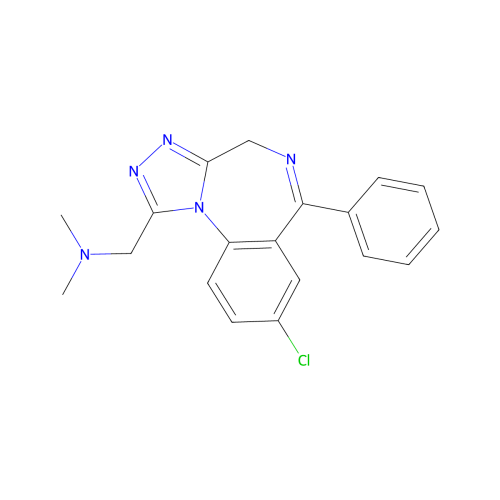
Adinazolam
Price range: $520.00 through $8,900.00Select options This product has multiple variants. The options may be chosen on the product page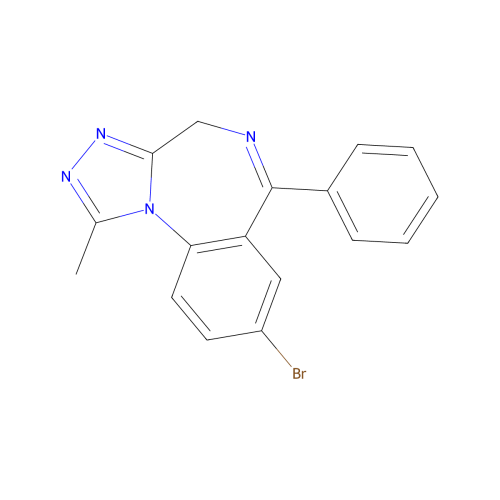
Bromazolam
Price range: $520.00 through $8,900.00Select options This product has multiple variants. The options may be chosen on the product page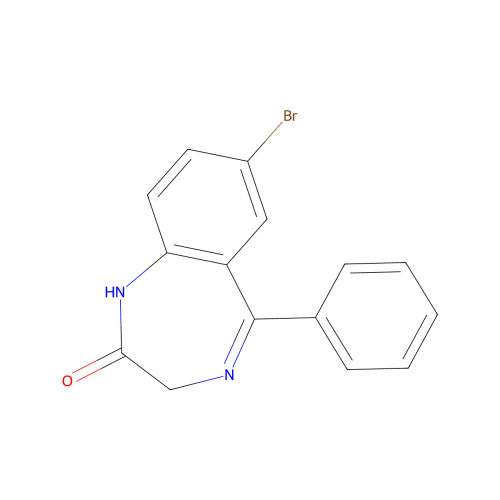
Bromonordiazepam
Price range: $520.00 through $8,900.00Select options This product has multiple variants. The options may be chosen on the product page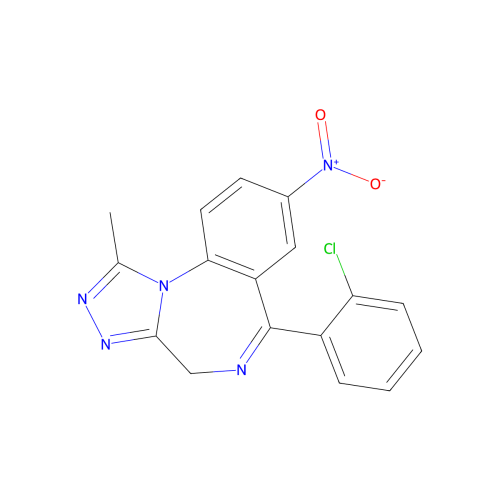
Clonazolam
Price range: $520.00 through $8,900.00Select options This product has multiple variants. The options may be chosen on the product page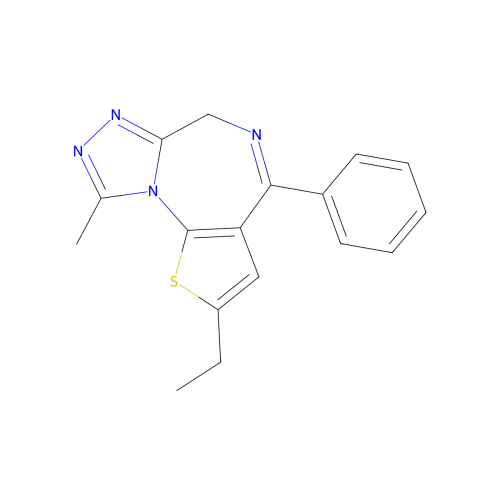
Deschloroetizolam
Price range: $520.00 through $8,900.00Select options This product has multiple variants. The options may be chosen on the product page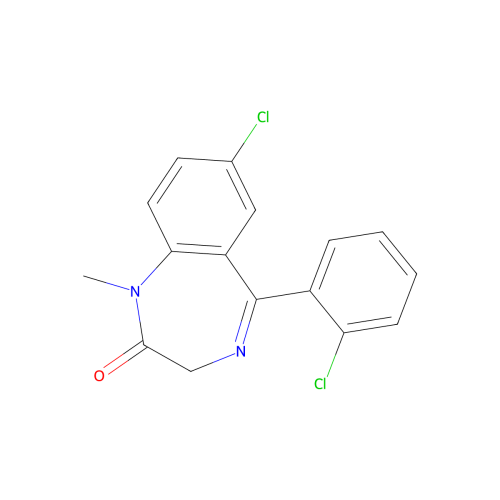
Diclazepam
Price range: $520.00 through $8,900.00Select options This product has multiple variants. The options may be chosen on the product page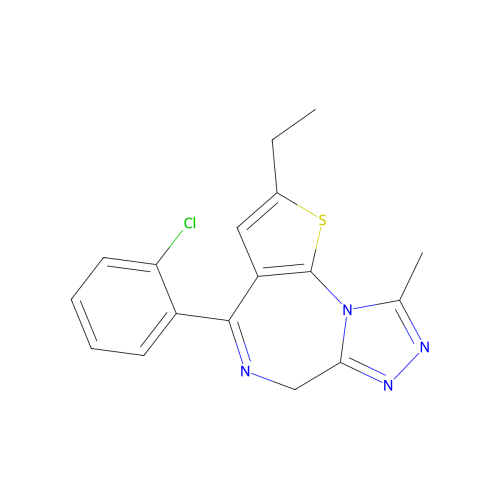
Etizolam
Price range: $520.00 through $8,900.00Select options This product has multiple variants. The options may be chosen on the product page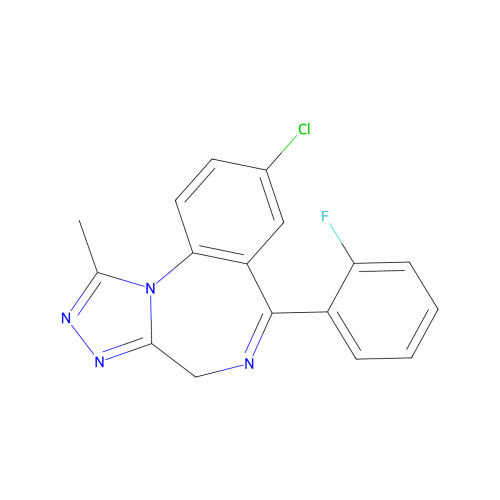
Flualprazolam
Price range: $520.00 through $8,900.00Select options This product has multiple variants. The options may be chosen on the product page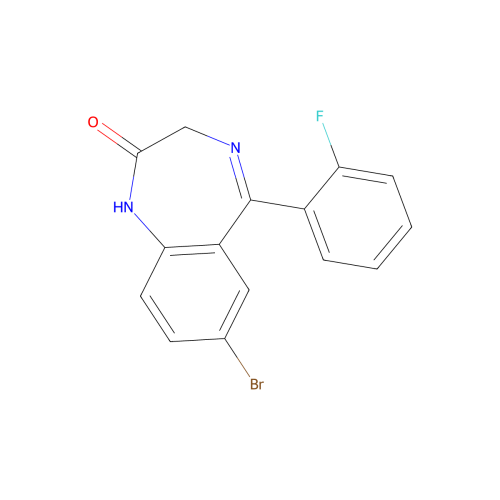
Flubromazepam
Price range: $520.00 through $8,900.00Select options This product has multiple variants. The options may be chosen on the product page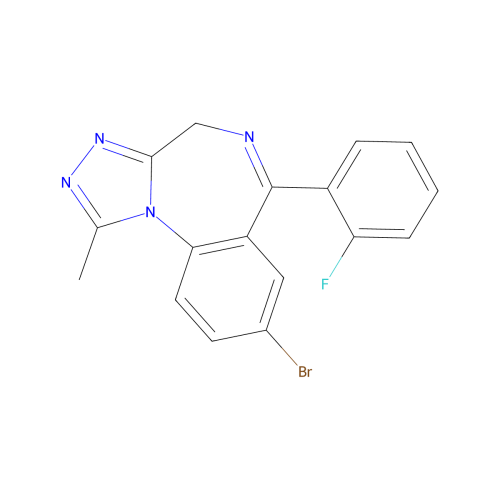
Flubromazolam
Price range: $520.00 through $8,900.00Select options This product has multiple variants. The options may be chosen on the product page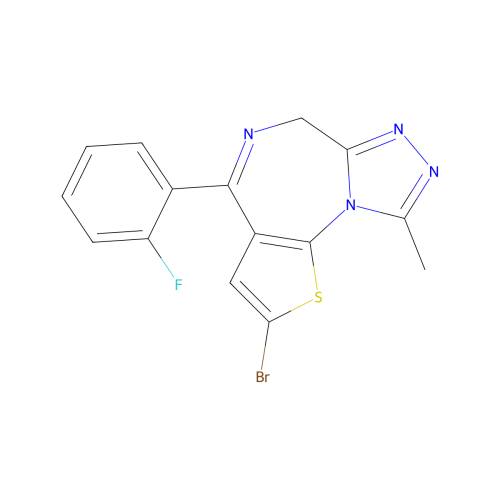
Flubrotizolam
Price range: $520.00 through $8,900.00Select options This product has multiple variants. The options may be chosen on the product page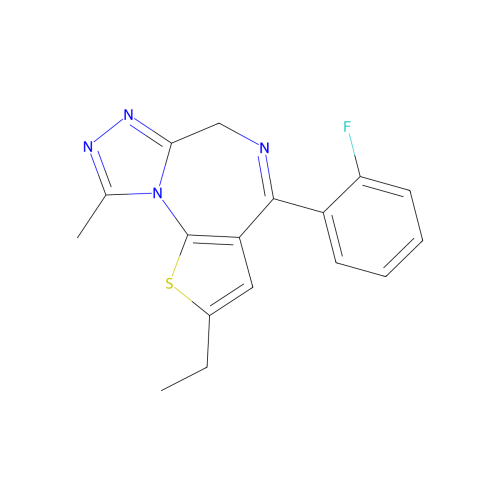
Fluetizolam
Price range: $520.00 through $8,900.00Select options This product has multiple variants. The options may be chosen on the product page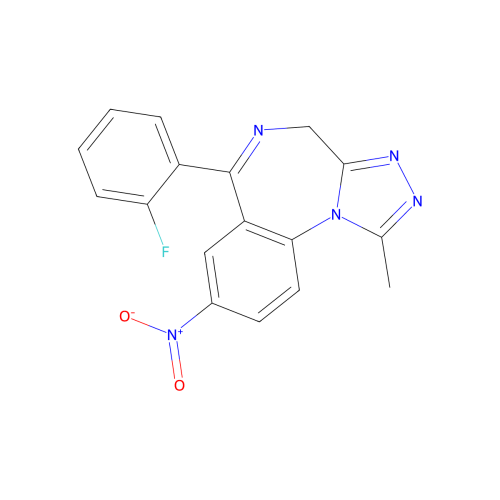
Flunitrazolam
Price range: $520.00 through $8,900.00Select options This product has multiple variants. The options may be chosen on the product page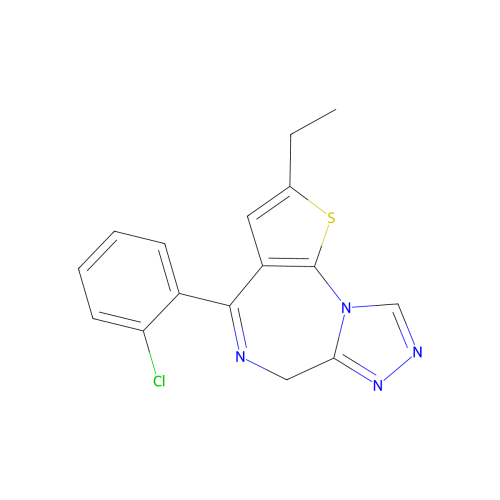
Metizolam
Price range: $520.00 through $8,900.00Select options This product has multiple variants. The options may be chosen on the product page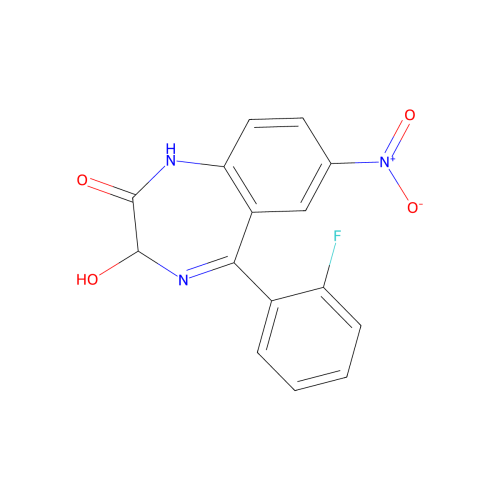
Nifoxipam
Price range: $520.00 through $8,900.00Select options This product has multiple variants. The options may be chosen on the product page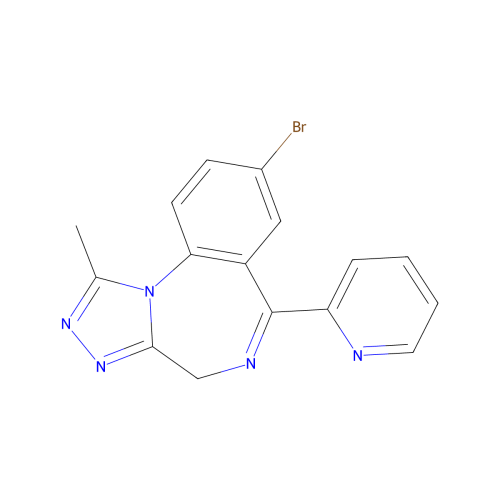
Pyrazolam
Price range: $520.00 through $8,900.00Select options This product has multiple variants. The options may be chosen on the product page