Synthetic Cannabinoids
Despite the name, many synthetic cannabinoid receptor agonists look nothing like THC when their structures are drawn. They were grouped together largely because of what they do at cannabinoid receptors, particularly CB1. Beyond that shared action lies considerable variation: receptor efficacy, metabolism, additional targets and the chemistry of the preparations in which they have been found.
The focus here is on synthetic cannabinoid receptor agonists (SCRAs), a term frequently associated with products sold as K2 or Spice. For endocannabinoids, plant constituents and pharmaceutical cannabinoids, the parent cannabinoids category provides the broader picture.
From Research Tools to an Evolving Group of NPS
Synthetic ligands were being studied long before ‘Spice’ became a recognizable product name. Chemists used them to investigate how the endocannabinoid system works, and early research molecules such as JWH-018 later appeared in unregulated products. Subsequent generations introduced new molecular scaffolds whose differences went beyond potency.
A review by Banister and Connor documents this changing chemistry, from substances described in publications and patents to the varied structures later encountered by forensic laboratories. Market incentives and regulatory changes are part of the historical setting. Yet neither alone explains the pharmacology of a new analogue.
Why the names look so different
A compound’s name may preserve its research origins, identify a particular structural feature, or follow a laboratory naming convention. Prefixes such as JWH, AM, AB, ADB and MDMB are not a scale of strength. Take JWH-073, AB-CHMINACA and 5F-MDMB-2201: reading the names provides some chemical clues, but virtually none of the information needed to predict a clinical outcome.
How Synthetic Cannabinoid Receptor Agonists Work
CB1 is a G protein-coupled receptor involved in regulating neurotransmitter release in numerous neural circuits. CB2 also contributes to cannabinoid signaling and is prominent in immune-associated biology. Whether an SCRA favors one receptor, how strongly it binds, and what signaling follows are separate experimental questions. They cannot be answered from the label on a product.
THC generally shows partial agonist behavior at CB1, whereas many SCRAs produce high-efficacy or full-agonist responses under laboratory conditions. This comparison depends on the experimental conditions. The observed efficacy may change with the assay, and not all SCRAs behave alike. A review of synthetic cannabinoid research discusses why stronger activation at the same receptor can help explain different biological effects without providing a complete prediction of human risk.
Affinity, efficacy, and potency are not synonyms
Affinity, efficacy and potency describe different measurements. Affinity relates to receptor binding; efficacy to the response after binding; potency to the concentration needed for a specified measured effect. The values may be correlated in an experiment, but each measures something different. Exposure in humans adds further variables, including absorption, metabolism, tissue distribution and other substances present.
Metabolites and less visible effects
The original compound may not be the only molecule contributing to its effects. The body can produce metabolites with altered, retained or negligible receptor activity, and some pathways may contribute to toxicity in other ways. Studies of the parent drug alone leave those possibilities unresolved. Research on metabolites often follows, rather than precedes, forensic detection of a new SCRA.
Chemical Diversity Within the Category
Earlier research series
JWH-018, JWH-073 and AM-2201 are among the better-known names from earlier SCRA research and market history. They remain useful historical reference points. Later analogues can have very different scaffolds, so the earlier compounds cannot represent the whole category, even when laboratories are developing identification methods.
Later indazole- and indole-related compounds
Entries such as AB-FUBINACA, ADB-BUTINACA, 4F-ADB and 5F-AKB48 illustrate the chemical diversity of later compounds. Several belong to indole- or indazole-related groupings, but that shared descriptor should not erase differences in substitutions, metabolism or receptor activity.
Grouping the structures can suggest experiments; it doesn’t justify borrowing one compound’s toxicological profile for another.
Why Composition Matters as Much as the Label
A single product name can conceal several formulations. SCRAs have been found on plant material and in other kinds of preparations; sometimes more than one active compound is present. Mixing may be uneven, and an ingredient list may have no reliable relationship to the sample. The EUDA’s synthetic cannabinoids overview covers the analytical problems this creates.
For scientific identification, laboratories may rely on liquid or gas chromatography coupled to mass spectrometry, with high-resolution methods or reference materials when necessary. A routine screen can miss a new analogue if it was not designed to recognize it. Conversely, a confident chemical identification does not establish how a specific person was exposed or what effect occurred. The page on certificates of analysis explains the difference between an analytical result and a safety conclusion.
Acute Toxicity and Longer-Term Uncertainty
The clinical reports describe serious events. Particular SCRAs have been linked to seizures, pronounced agitation, psychosis-like symptoms, cardiac complications and kidney injury. These reports do not, however, provide a reliable ranking of danger across all compounds. Unknown composition and multiple-drug exposure often limit case interpretation. A pharmacological and toxicological review examines the clinical and toxicological evidence.
Repeated exposure can be associated with tolerance, dependence, and withdrawal. Because the class is so varied and long-term controlled studies are scarce, it would be misleading to assign one course of dependence to all SCRAs. The molecular details, exposure history, and individual clinical circumstances matter.
Why comparison with cannabis can fail
Cannabis itself has risks, but familiar expectations about cannabis are a poor guide to a poorly characterized SCRA. Higher receptor efficacy is one potential source of difference. Uncertain ingredients and concentration are another. Both can affect the risk of harm, but they do so in different ways.
Surveillance, Regulation, and Public Health
Forensic laboratories, hospital investigations and seizures all contribute to early-warning systems. The European Drug Report 2026 discusses developments in cannabinoid-related products, including substances that are semi-synthetic rather than SCRAs. Mixing those categories would make surveillance figures harder to interpret.
Legal control may apply to a named compound, a family defined by structure, or a preparation. A lack of specific scheduling is not proof of legality. See Research Chemical Legality for the regulatory principles and Research Chemical Safety for the broader implications of uncertain composition.
Frequently Asked Questions
Is a synthetic cannabinoid simply artificial THC?
No. Some synthetic medicines are related to THC, but many SCRAs are structurally different molecules that activate cannabinoid receptors through their own pharmacological profiles.
Does higher CB1 efficacy always predict worse clinical outcomes?
Not on its own. It can be an important part of the explanation, but metabolism, exposure, off-target activity, and preparation quality also influence outcomes.
Can a negative drug screen rule out synthetic cannabinoid exposure?
Not necessarily. Standard screening panels may not cover recently identified SCRAs or their metabolites. Interpretation depends on the method and the analytes it was designed to detect.
What is the difference between this category and Cannabinoids?
Cannabinoids covers the wider biological and chemical field. This page concentrates on synthetic receptor agonists encountered in research and NPS monitoring.
This page examines what published research can establish. It does not provide medical guidance or endorse use.
Showing 1–16 of 55 results
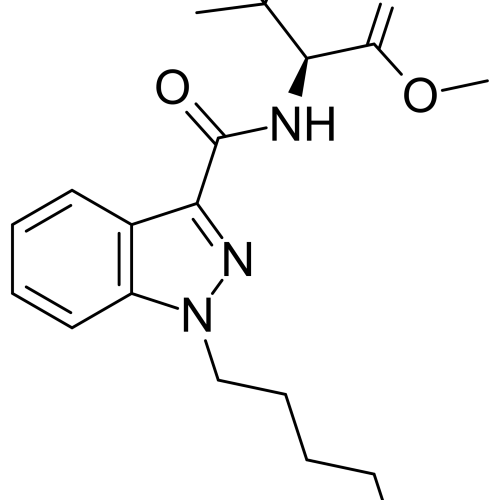
4F-ADB
Price range: $430.00 through $8,800.00Select options This product has multiple variants. The options may be chosen on the product page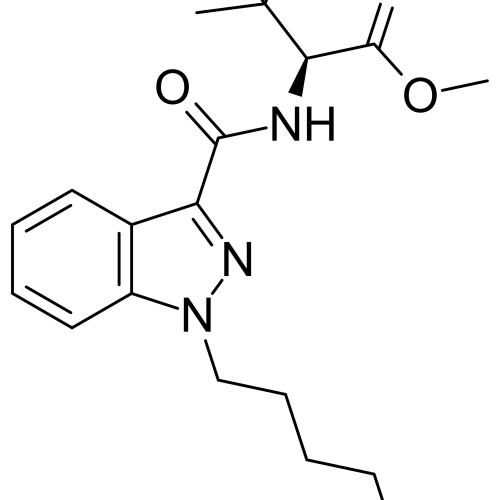
4F-AMB
Price range: $430.00 through $8,800.00Select options This product has multiple variants. The options may be chosen on the product page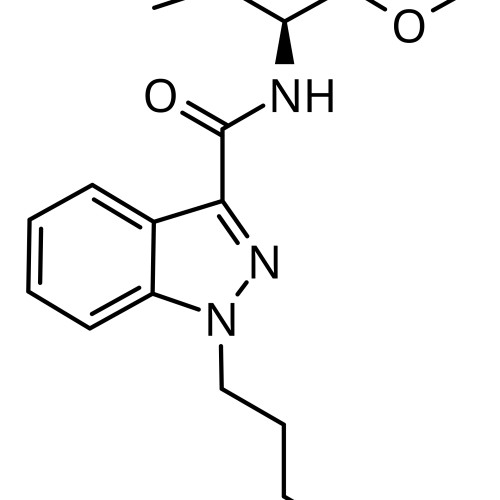
5-CL-ADB-A
Price range: $430.00 through $8,800.00Select options This product has multiple variants. The options may be chosen on the product page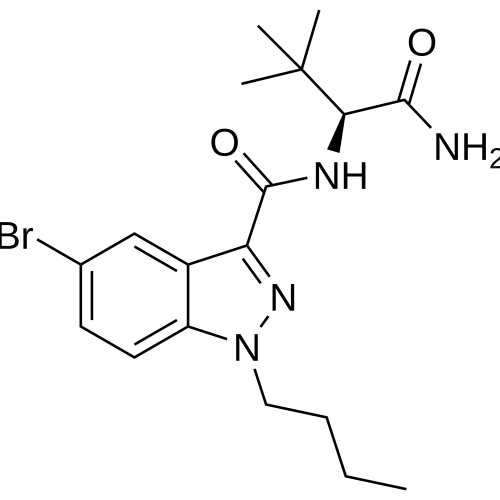
5BR-ADB-INACA
Price range: $430.00 through $8,800.00Select options This product has multiple variants. The options may be chosen on the product page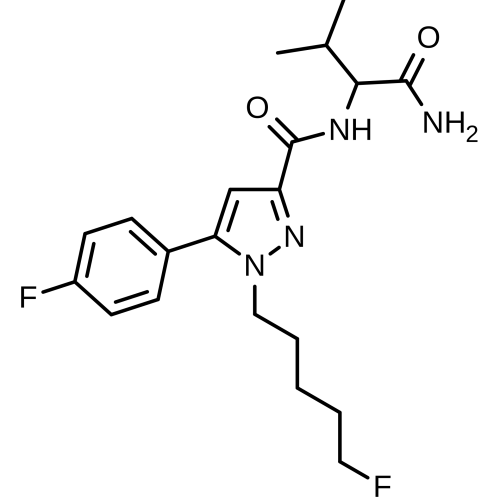
5F-AB-FUPPYCA
Price range: $430.00 through $8,800.00Select options This product has multiple variants. The options may be chosen on the product page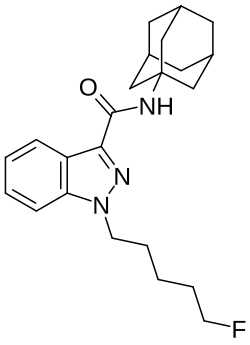
5F-AKB48
Price range: $430.00 through $8,800.00Select options This product has multiple variants. The options may be chosen on the product page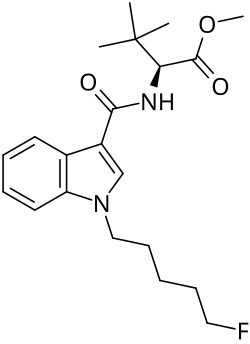
5F-MDMB-2201
Price range: $430.00 through $8,800.00Select options This product has multiple variants. The options may be chosen on the product page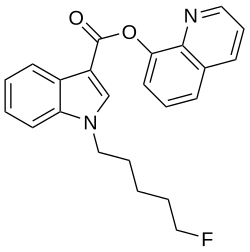
5F-PB-22
Price range: $430.00 through $8,800.00Select options This product has multiple variants. The options may be chosen on the product page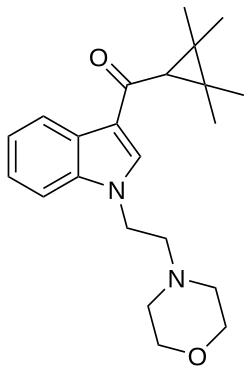
A-796,260
Price range: $430.00 through $8,800.00Select options This product has multiple variants. The options may be chosen on the product page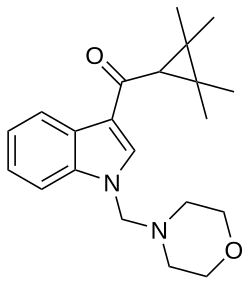
A-834,735
Price range: $430.00 through $8,800.00Select options This product has multiple variants. The options may be chosen on the product page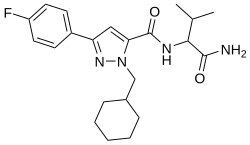
AB-CHFUPYCA
Price range: $430.00 through $8,800.00Select options This product has multiple variants. The options may be chosen on the product page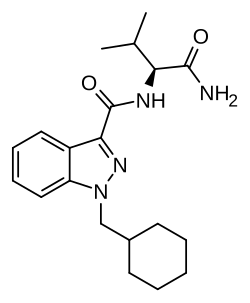
AB-CHMINACA
Price range: $430.00 through $8,800.00Select options This product has multiple variants. The options may be chosen on the product page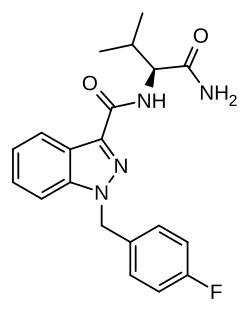
AB-FUBINACA
Price range: $430.00 through $8,800.00Select options This product has multiple variants. The options may be chosen on the product page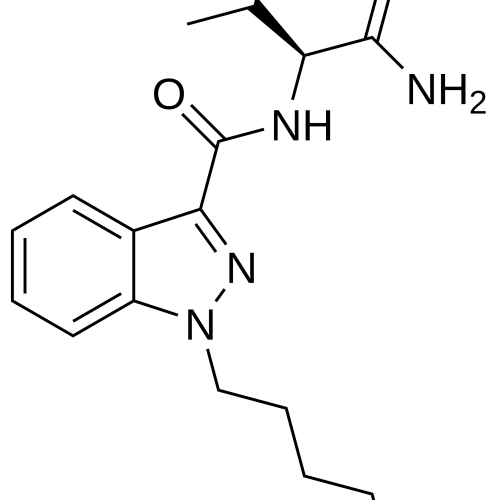
AB-PINACA
Price range: $430.00 through $8,800.00Select options This product has multiple variants. The options may be chosen on the product page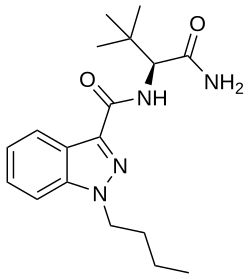
ADB-BUTINACA
Price range: $430.00 through $8,800.00Select options This product has multiple variants. The options may be chosen on the product page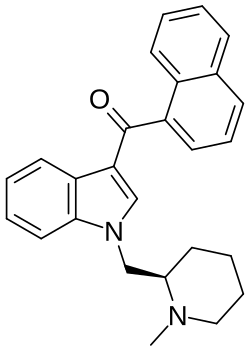
AM-1220
Price range: $390.00 through $8,300.00Select options This product has multiple variants. The options may be chosen on the product page