Phenethylamines
Phenethylamine is a small chemical scaffold that turns up in a remarkably wide range of psychoactive compounds. Some members are stimulants, others are discussed as empathogens, and a separate branch includes classical psychedelics. This page is concerned with the psychedelic phenethylamines: mescaline, the 2C series, the DOx compounds and N-benzyl derivatives such as the NBOMe family.
The broader psychedelics overview places these compounds alongside tryptamines and lysergamides. Their shared phenethylamine backbone does not make them interchangeable. Small changes to the aromatic ring, the side chain or the nitrogen substituent can produce substantial differences in receptor activity and toxicity.
What Is a Phenethylamine?
At its simplest, phenethylamine consists of a phenyl ring connected to an ethylamine side chain. The structure is a starting point rather than a complete description of pharmacology. Substitutions at different positions change the molecule’s shape, electronic properties and interactions with biological targets.
The same scaffold appears in several categories on this site. Stimulant phenethylamines and empathogenic phenethylamines are related by chemistry, but they are not the focus here. The distinction is useful because a chemical family can cross the boundaries of effect-based categories.
The Main Psychedelic Phenethylamine Groups
Mescaline and naturally occurring phenethylamines
Mescaline is a naturally occurring psychedelic found in several cactus species. It is a substituted phenethylamine and provides a useful reference point for understanding the wider group. Its pharmacology involves serotonin receptors, particularly 5-HT2A, although its receptor profile and time course differ from those of LSD and many tryptamines.
The 2C series
The 2C compounds are generally 2,5-dimethoxy-substituted phenethylamines with another substituent at the 4-position of the aromatic ring. Examples include 2C-B and 2C-E. Changing that substituent can alter receptor affinity and functional activity. The compounds are often discussed together because of their shared scaffold, but the available evidence does not support treating them as a single pharmacological entity.
2C-E is one example represented in this site’s compound directory. It belongs to the broader group of psychedelic phenethylamines, but findings for 2C-E should not be assumed to describe every member of the 2C series.
DOx compounds
DOx substances are alpha-methylated relatives of some 2C compounds. The additional carbon substituent changes the molecule’s structure and can influence its metabolism and duration. Compounds such as DOM, DOI and DOB have been used in pharmacological research, though human data are uneven across the group. Some have a long duration of action, but the time course varies by molecule and study conditions.
NBOMe and related N-benzyl compounds
NBOMe compounds are N-benzyl derivatives of psychedelic phenethylamines. The added benzyl group can markedly increase affinity for the 5-HT2A receptor. Several NBOMe compounds are active in very small amounts and have been associated with serious intoxications.
25I-NBOMe is among the best documented members of this group. A review of NBOMe pharmacology and toxicology describes cases involving seizures, hyperthermia, vasoconstriction and rhabdomyolysis, as well as fatal outcomes. These clinical findings show why structural similarity to mescaline or the 2C series does not reliably predict risk.
Receptor Activity and Psychedelic Effects
Many psychedelic phenethylamines act as agonists at serotonin 5-HT2A receptors. This interaction is closely associated with altered perception and cognition. Some compounds also interact with 5-HT2C and other receptor subtypes. The balance differs between molecules, and receptor activity measured in vitro does not directly translate into a reliable prediction of human effects.
Affinity and efficacy describe different aspects of receptor activity. A compound may bind strongly to a receptor but activate it differently from another ligand. Functional assays, animal studies and controlled human research examine different aspects of these effects. For many research chemicals, the first two are available while the third is limited or absent.
Why Small Structural Changes Matter
In a phenethylamine, the position and identity of ring substituents can influence receptor binding. Changes around the side chain may alter how the molecule is metabolised or how it reaches the brain. N-benzyl substitution illustrates this: the resulting NBOMe compounds can show much higher 5-HT2A affinity than their parent 2C compounds.
These relationships are studied through structure-activity research. They can help scientists understand why compounds differ, but they do not provide a simple formula for predicting potency or safety from a molecular drawing. The same modification can have different consequences in different chemical contexts.
Adverse Effects and Clinical Concerns
Reported acute effects vary across the group. Anxiety, agitation, confusion and changes in perception can occur with classical psychedelics. More serious presentations have been reported with some potent derivatives, including marked increases in heart rate and blood pressure, hyperthermia, seizures and muscle breakdown. NBOMe-related poisonings have attracted particular concern because the compounds can be highly active and their identity may be uncertain in an unregulated sample.
Case reports are important for identifying possible harms, but they do not tell us how frequently an event occurs. Conversely, a lack of published cases for a newly encountered substance does not establish that it is safe. Evidence should be assessed for each compound rather than borrowed from a better-studied relative.
Identification and Research Limitations
Phenethylamines can be identified using techniques such as GC-MS, LC-MS/MS and high-resolution mass spectrometry. Closely related isomers may require additional analytical work, and a screening result is not always enough to confirm identity. Concentration, purity and the presence of other substances are separate analytical questions.
Much of the research on newer psychedelic phenethylamines comes from receptor assays, animal models, forensic detections and clinical case reports. That body of work is useful, but it is not equivalent to controlled human studies. The differences between compounds are often more important than the broad family label suggests.
Frequently Asked Questions
Are all phenethylamines psychedelics?
No. Phenethylamines include stimulants and empathogens as well as psychedelics. This page covers the psychedelic branch only.
Are NBOMe compounds simply stronger 2C compounds?
They are structurally related to 2C compounds, but the N-benzyl substitution changes receptor activity and toxicity. Calling them stronger versions of the same drug misses those differences.
Does mescaline have the same pharmacology as LSD?
No. Both are classical serotonergic psychedelics, but they belong to different chemical families and have distinct receptor and pharmacokinetic profiles.
Showing 1–16 of 35 results
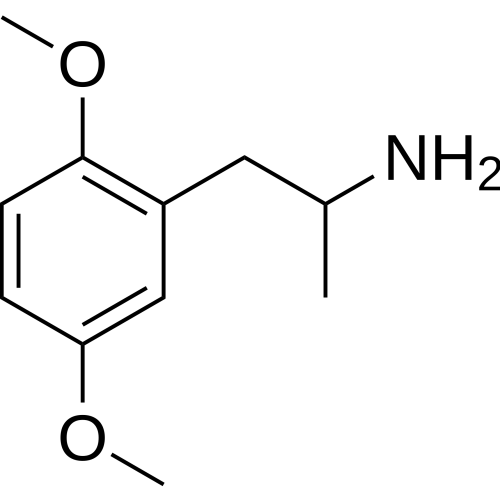
2,5-DMA
Price range: $390.00 through $2,853.00Select options This product has multiple variants. The options may be chosen on the product page
25B-NBOH
Price range: $390.00 through $2,853.00Select options This product has multiple variants. The options may be chosen on the product page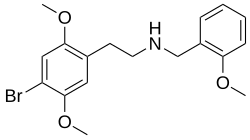
25B-NBOMe
Price range: $390.00 through $2,853.00Select options This product has multiple variants. The options may be chosen on the product page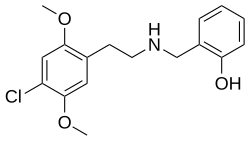
25C-NBOH
Price range: $390.00 through $2,853.00Select options This product has multiple variants. The options may be chosen on the product page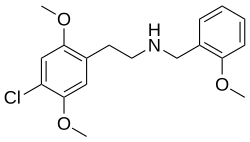
25C-NBOMe
Price range: $390.00 through $2,853.00Select options This product has multiple variants. The options may be chosen on the product page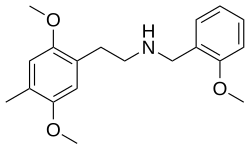
25D-NBOMe
Price range: $390.00 through $2,853.00Select options This product has multiple variants. The options may be chosen on the product page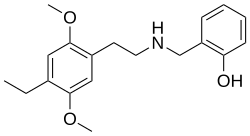
25E-NBOH
Price range: $390.00 through $2,853.00Select options This product has multiple variants. The options may be chosen on the product page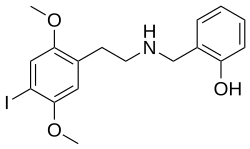
25I-NBOH
Price range: $390.00 through $2,853.00Select options This product has multiple variants. The options may be chosen on the product page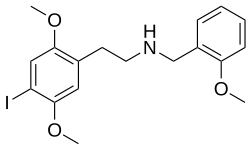
25I-NBOMe
Price range: $390.00 through $2,853.00Select options This product has multiple variants. The options may be chosen on the product page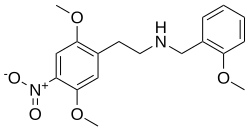
25N-NBOMe
Price range: $390.00 through $2,853.00Select options This product has multiple variants. The options may be chosen on the product page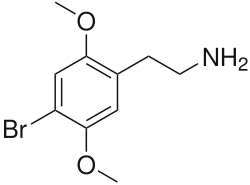
2C-B
Price range: $390.00 through $2,853.00Select options This product has multiple variants. The options may be chosen on the product page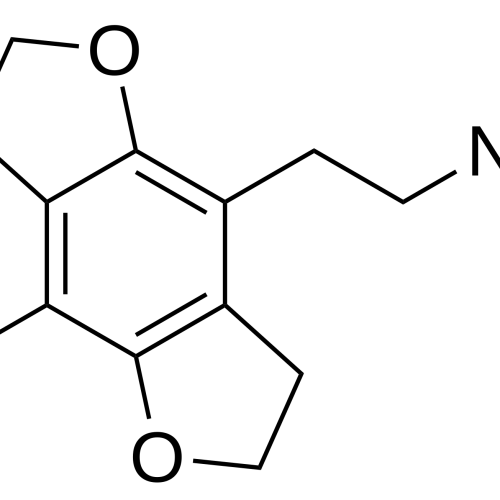
2C-B-FLY
Price range: $390.00 through $2,853.00Select options This product has multiple variants. The options may be chosen on the product page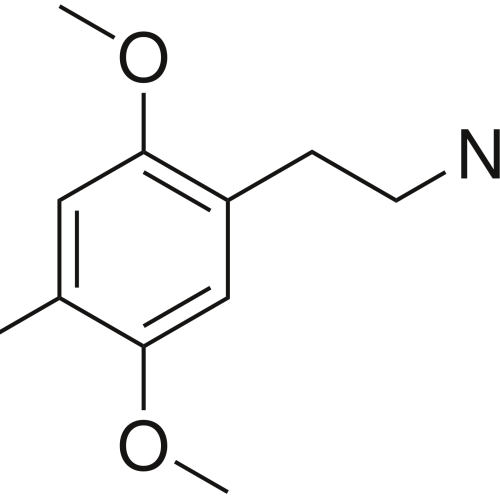
2C-C
Price range: $390.00 through $2,853.00Select options This product has multiple variants. The options may be chosen on the product page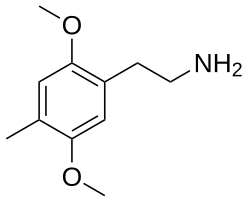
2C-D
Price range: $390.00 through $2,853.00Select options This product has multiple variants. The options may be chosen on the product page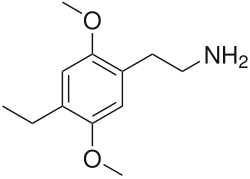
2C-E
Price range: $390.00 through $2,853.00Select options This product has multiple variants. The options may be chosen on the product page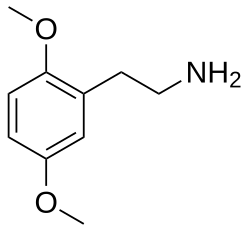
2C-H
Price range: $390.00 through $2,853.00Select options This product has multiple variants. The options may be chosen on the product page