
RCS-8, also known as SR-18 or BTM-8, is a synthetic cannabinoid identified in herbal incense products. It belongs to the indole-based cannabinoid group, but its structure differs from the better-known naphthoylindoles such as JWH-018. Although it is listed in international substance databases as a synthetic cannabinoid receptor agonist, published compound-specific pharmacological data are notably sparse.
Chemistry and identification
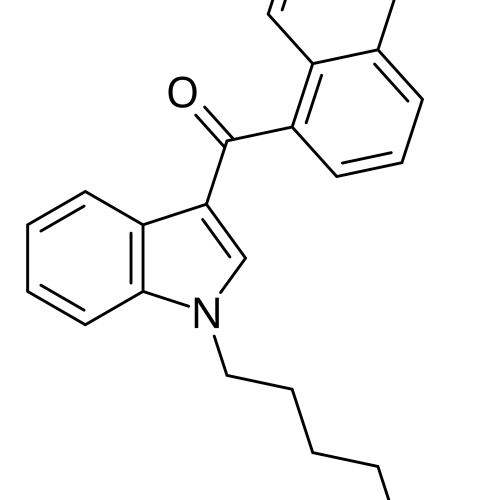
RCS-8 is 1-[1-(2-cyclohexylethyl)-1H-indol-3-yl]-2-(2-methoxyphenyl)ethan-1-one. The molecule contains an indole core, a cyclohexylethyl substituent on the indole nitrogen and an ortho-methoxyphenylacetyl group. UNODC lists RCS-8, SR-18 and BTM-8 as names for this chemical identity (UNODC substance record: RCS-8).
RCS-8 has been identified as an ingredient in herbal incense products. Its cyclohexylethyl side chain distinguishes it from compounds with the more common straight-chain pentyl group.
Pharmacology
The available evidence does not establish a reliable CB1 or CB2 binding affinity, functional potency or efficacy for RCS-8. A supplier’s analytical reference information notes that, despite its structural relationship to JWH-250, biological activity had not been reported in the documentation available at the time (Cayman Chemical reference information: RCS-8).
UNODC classifies it within the synthetic cannabinoid receptor agonist group. That classification is useful for monitoring, but it should not be mistaken for a published functional assay demonstrating how strongly RCS-8 activates either cannabinoid receptor.
Reported effects
Reliable descriptions of the human experience with RCS-8 are scarce. Its identification in herbal products confirms that it appeared in the market, without establishing what people who consumed those products experienced.
Symptoms reported with other synthetic cannabinoid products include altered perception, confusion, agitation, sedation and cardiovascular changes. These are broader class-level observations and should not be attributed specifically to RCS-8 without analytical confirmation.
Toxicity and research limitations
No well-characterised clinical case series, human metabolism study or compound-specific toxicological assessment was identified in the available sources. Its acute toxic range, dependence potential and long-term effects remain unknown.
The main limitation is the gap between chemical identification and biological characterisation. RCS-8 has a confirmed structure and has been detected in products, but there is not enough direct evidence to describe its receptor activity or clinical risk with confidence.
Related compounds
RCS-8 is related by broad structural design to JWH-250 and other indole-based synthetic cannabinoids. Its cyclohexylethyl substituent and methoxyphenylacetyl group distinguish it from the naphthoylindole compounds.

Reviews
There are no reviews yet.