
Mexedrone is a synthetic cathinone stimulant structurally related to mephedrone. It contains a methoxy group at the 3-position and a methyl group at the 4-position of the phenyl ring. Mexedrone appeared on the research-chemical market in 2015 and was initially promoted as a legal alternative to mephedrone. Laboratory studies found relatively weak monoamine-transporter activity, while clinical reports describe agitation, hallucinations and paranoia.
Chemistry and history
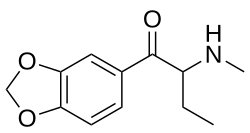
Mexedrone is a ring-substituted methcathinone with a 3-methoxy-4-methylphenyl group and an N-methylamine side chain. It is related to mephedrone, but the additional methoxy substituent changes its chemical structure and pharmacological profile.
The compound was first introduced on online research-chemical markets in 2015. It was subsequently identified and characterised in a powder purchased online in 2016. Its appearance coincided with increased demand for cathinone alternatives after controls were introduced for mephedrone and related compounds.
Pharmacology
In vitro experiments found that mexedrone was a weak, non-selective inhibitor of dopamine, norepinephrine and serotonin uptake, with activity in the low micromolar range. It did not show releasing activity at the dopamine or norepinephrine transporters in the assays used. This makes its profile different from more potent cathinone stimulants such as mephedrone (McLaughlin and colleagues, 2017).
A metabolism study identified phase I and phase II metabolites in human liver microsomes and urine. The findings included demethylation, hydroxylation and conjugation pathways, which may help forensic laboratories detect mexedrone exposure (Camuto and colleagues, 2021).
Subjective effects
The PsychonautWiki profile of mexedrone draws on limited reports of stimulant effects. Some users compare it with mephedrone, although laboratory findings suggest differences in their transporter activity.
Physical effects
Reported effects include stimulation, increased heart rate, sweating and physical restlessness. Some accounts mention nausea, headaches, reduced appetite and difficulty sleeping. The intensity of these effects varies between reports.
Cognitive and psychological effects
Users describe euphoria, increased alertness and sociability, but clinical reports have also documented agitation, paranoia, delusions and hallucinations. In an analytically confirmed case series, agitation was the most common presentation and occurred in ten of eleven patients. Six required sedation or physical restraint, and three experienced delusions or hallucinations (Roberts and colleagues, 2017).
Clinical toxicity
The eleven-case series provides direct evidence that mexedrone can be associated with severe behavioural disturbance. The patients were identified through routine clinical toxicology screening, and the findings included marked agitation, aggression, paranoia and hallucinations. The small number of cases does not establish how frequently these reactions occur among all users.
Research limitations
Mexedrone has a more developed research record than some newer cathinones, but the human evidence remains limited. Its weak transporter activity in vitro does not mean that it is harmless, as the clinical case series demonstrates. There are no controlled human studies establishing its full pharmacokinetic profile, dependence potential or long-term effects.
Related compounds
Mexedrone is related to Mephedrone, Methcathinone and other ring-substituted cathinones. Its methoxy and methyl substituents distinguish it from mephedrone.

Reviews
There are no reviews yet.