
Methcathinone, also known as ephedrone, is a synthetic cathinone stimulant and the N-methyl derivative of cathinone. It is structurally related to amphetamine and methamphetamine, but contains a beta-keto group on the side chain. Methcathinone has a longer history of non-medical use than many newer cathinones and has been associated with stimulant toxicity, dependence and, in some settings, neurological injury linked to contaminated preparations.
History and chemistry
Methcathinone is a beta-keto analogue of methamphetamine. It has a methyl group attached to the amino nitrogen and no substitution on the phenyl ring. The compound was investigated in the twentieth century, but became more widely known through illicit production and use in parts of Eastern Europe and the former Soviet Union.
It should not be confused with cathinone, the naturally occurring stimulant found in khat. Methcathinone is a synthetic derivative with a different nitrogen substitution and a distinct history of use.
Pharmacology
Methcathinone increases monoamine signalling, particularly through dopamine and norepinephrine. Experimental studies have found amphetamine-like effects in vitro and in vivo, although its potency differs from that of amphetamine and methamphetamine. A broad review of cathinone pharmacology identifies methcathinone as one of the more extensively studied members of the class (Glennon, 2011).
Its stimulant effects are consistent with increased dopaminergic and noradrenergic activity. The exact balance of transporter-mediated release and uptake inhibition depends on the experimental system, and the literature does not support treating all cathinones as pharmacologically interchangeable.
Subjective effects
The PsychonautWiki profile of methcathinone describes conventional stimulant effects. Both historical accounts and user reports mention increased energy, alertness and euphoria, alongside physical restlessness and a tendency towards repeated use.
Physical effects
Reported effects include stimulation, increased heart rate, elevated blood pressure, sweating, reduced appetite and insomnia. Jaw tension, tremors, nausea and cardiovascular discomfort may also occur. More severe stimulant toxicity can involve agitation, hyperthermia and seizures.
Cognitive and emotional effects
Users describe increased wakefulness, confidence, motivation and faster thinking. Euphoria may occur, but anxiety, irritability, paranoia and disorganised thought can develop as intoxication becomes more intense or prolonged.
Clinical toxicity and neurological complications
Acute methcathinone intoxication can produce sympathomimetic symptoms, including tachycardia, hypertension, agitation and hyperthermia. Severe cases may involve seizures and cardiovascular complications.
A distinct neurological problem has been described among people who used illicitly manufactured methcathinone in Eastern Europe. Some preparations were produced using potassium permanganate, leading to manganese contamination. Chronic exposure to manganese can cause a parkinsonian movement disorder. This complication is associated with contaminated production methods rather than being an established direct effect of pure methcathinone.
Dependence and research limitations
Methcathinone has a longer history of repeated non-medical use than many designer cathinones. Reports describe compulsive patterns and dependence, consistent with its stimulant pharmacology. However, modern controlled studies of long-term use are limited, and the neurological consequences of illicit preparations must be distinguished from the effects of the pure compound.
Related compounds
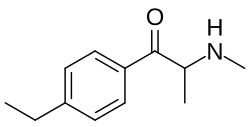
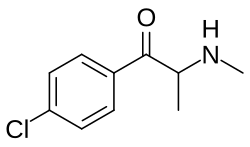
Methcathinone is related to Cathinone, Mephedrone, 3-MMC and other substituted cathinones. It is the beta-keto analogue of methamphetamine and the N-methyl derivative of cathinone.
Reviews
There are no reviews yet.