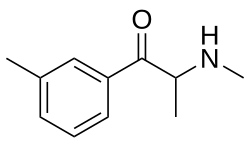
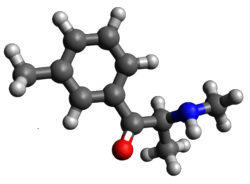
3-Methylmethcathinone (3-MMC), also known as metaphedrone, is a synthetic cathinone with stimulant and entactogenic properties. It is a positional isomer of mephedrone (4-MMC), with the methyl group on the 3-position rather than the 4-position of the phenyl ring. 3-MMC appeared on the European recreational drug market in the early 2010s and has since been associated with acute poisonings and deaths.
History and chemistry
3-MMC was first reported in Europe in 2012, after the control of mephedrone created demand for related substances. Its structure is that of an N-methyl cathinone with a methyl substituent at the meta position of the aromatic ring. The compound is chiral and can exist as R- and S-enantiomers.
It is often sold as a replacement for mephedrone, but the two substances are not pharmacologically identical. Their methyl groups occupy different positions on the phenyl ring, which can affect transporter activity and the balance of stimulant and entactogenic effects.
Pharmacology
3-MMC increases monoamine signalling through interactions with dopamine, norepinephrine and serotonin transporters. In vitro research indicates that it acts as a transporter substrate and promotes monoamine release, although its relative activity at each transporter differs from that of mephedrone and MDMA. A review of its pharmacology and toxicology describes a mixed stimulant-entactogen profile and notes that much of the early evidence came from case reports and experimental studies (Gregg and colleagues, 2019).
A first-in-human, placebo-controlled study involving 14 participants examined the acute effects of 3-MMC under clinical observation. It found dose-related increases in heart rate and blood pressure, alongside subjective stimulant effects and changes in several cognitive tasks. The study provides controlled information about short-term effects, but its small sample and limited observation period do not address repeated use or long-term safety (First-in-human 3-MMC study, 2025).
Subjective effects
The PsychonautWiki profile of 3-MMC includes accounts of stimulation, euphoria and empathogenic effects, often compared with mephedrone, although the balance between sociability, emotional warmth and physical stimulation varies between individuals.
Physical effects
Stimulation and increased energy are frequently reported. Users also describe physical euphoria, tactile enhancement, increased heart rate, sweating, appetite suppression and jaw tension. Some accounts mention nausea, dehydration and difficulty sleeping after the main effects have faded.
Emotional and cognitive effects
Euphoria, disinhibition, increased sociability and empathy are recurring descriptions. Some users report increased appreciation of music and a greater desire to interact with others. Faster thoughts, wakefulness and motivation may accompany the emotional effects.
Anxiety, agitation, irritability and compulsive redosing are also reported. The short-lived rewarding effects described in user accounts may contribute to repeated use, while the stimulant component can make it difficult to recognise the extent of physical strain.
Clinical toxicity
3-MMC has been detected in non-fatal and fatal intoxications. Reported acute effects include agitation, confusion, tachycardia, hypertension, hyperthermia, seizures and psychiatric disturbances. Many forensic cases involve other substances, which complicates the interpretation of the contribution made by 3-MMC.
A toxicological analysis of synthetic cathinone cases identified 3-MMC in both fatal and non-fatal investigations. The authors cautioned that the case material was not representative of all exposures, since many samples came from post-mortem investigations (Toxicological analysis of synthetic cathinone intoxications, 2022).
Dependence and research limitations
Compulsive redosing and repeated use are concerns in both user reports and clinical literature. The first-in-human study provides a controlled description of acute effects, but does not establish the risk of dependence, neurotoxicity or cardiovascular damage after repeated exposure.
Although 3-MMC is better studied than many newer cathinones, its long-term effects remain uncertain. Research on mephedrone or other cathinones cannot establish those effects for 3-MMC.
Related compounds
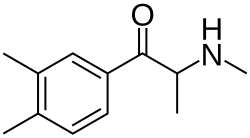
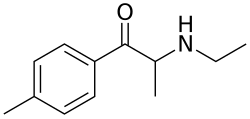
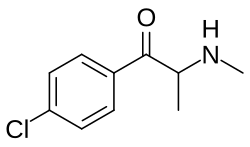
3-MMC is closely related to 4-MMC (mephedrone), 3,4-DMMC and other ring-substituted methcathinones. It is the meta-methyl positional isomer of mephedrone.
Reviews
There are no reviews yet.