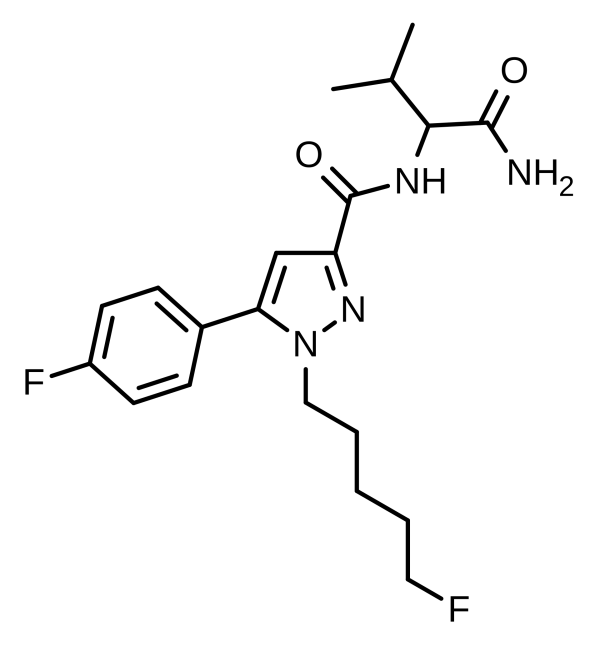
5F-AB-FUPPYCA, also known as 5F-AB-PFUPPYCA or AZ-037, is a synthetic cannabinoid identified in seized drug material in the United States. It belongs to a pyrazole-carboxamide group rather than the more common indazole-carboxamide families. Its structure contains a fluorinated pentyl chain and a fluorophenyl-substituted pyrazole ring. Published information about its receptor activity and effects in humans is very limited.
Chemistry and identification
The CFSRE monograph identifies 5F-AB-PFUPPYCA as N-(1-carbamoyl-2-methylpropyl)-2-(5-fluoropentyl)-5-(4-fluorophenyl)pyrazole-3-carboxamide. The report lists 5F-AB-FUPPYCA, 5-fluoro-AB-FUPPYCA and AZ-037 among its synonyms. The structure was confirmed by comparison of GC-MS and LC-QTOF data with reference material (CFSRE 5F-AB-PFUPPYCA monograph, 2018).
The compound was detected in seized material submitted from Tennessee. The same exhibit contained other substances, including FUB-AMB, illustrating that products sold under a single label may contain more than one active compound.
Pharmacology
No reliable compound-specific CB1 or CB2 receptor-binding and functional data were identified in the available literature. The CFSRE report classifies the substance as a synthetic cannabinoid based on its chemical family and context of identification, but gives no measurement of receptor potency.
It should not be assumed that 5F-AB-FUPPYCA has the same activity as AB-CHMINACA, FUB-AMB or other structurally related synthetic cannabinoids. Its pyrazole core and substitution pattern are distinct.
Reported effects
Reliable human information is too limited to establish a characteristic 5F-AB-FUPPYCA experience. No controlled study or well-documented clinical case series has established its subjective effects, acute syndrome or duration.
Toxicity and research limitations
No compound-specific human toxicology, metabolism study or clinical case series was identified in the sources reviewed here. Its acute toxic range, dependence potential and long-term effects remain unknown. The identification in seized material confirms its presence in the drug market, but does not establish how frequently it has been encountered or the extent of human exposure.
Its classification as a synthetic cannabinoid should therefore be distinguished from a demonstrated pharmacological profile. More direct receptor and toxicological studies would be needed to determine whether it acts as a potent cannabinoid receptor agonist.
Related compounds
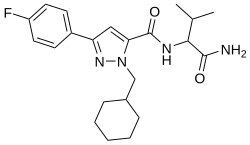
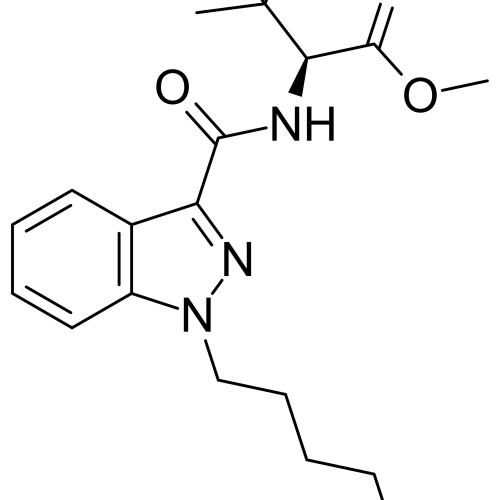
5F-AB-FUPPYCA is related by broad structural class to AB-CHFUPYCA and other pyrazole-carboxamide cannabinoids. It is not an indazole-carboxamide such as 5F-ADB.

Reviews
There are no reviews yet.