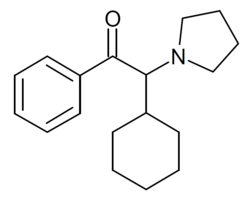
α-PCYP, or alpha-pyrrolidinocyclohexanophenone, is an unusual synthetic cathinone in the pyrrolidinophenone group. Its structure differs from α-PVP because a bulky cyclohexyl group replaces the usual alkyl side chain. Laboratory research found stronger interaction with the dopamine transporter than α-PVP in the tested model, but human clinical evidence remains extremely limited.
Chemistry and structure
α-PCYP is 2-cyclohexyl-1-phenyl-2-(pyrrolidin-1-yl)ethan-1-one. It retains the ketone and pyrrolidine features of pyrovalerone-type cathinones, but its cyclohexyl substituent makes it structurally distinct from the straight-chain α-pyrrolidinophenones.
The compound has been identified in analytical reference material and drug-monitoring reports. A CFSRE monograph describes it as a novel stimulant and notes its structural relationship to α-PVP, α-PBP, α-PHP and α-PiHP (CFSRE analytical monograph: α-PCYP).
Pharmacology
The principal experimental finding comes from a 2015 structure–activity study of α-PVP analogues. α-PCYP showed up to approximately twice the interaction with the dopamine transporter (DAT) as α-PVP in rat brain synaptosome assays. The UK Advisory Council on the Misuse of Drugs summarised the available data as suggesting little or no activity at the serotonin transporter (SERT) (Kolanos and colleagues, 2015).
This result suggests a strongly dopaminergic stimulant profile, but it comes from an experimental model. It does not establish human potency, the intensity of subjective effects or the likelihood of dependence in people.
Reported effects
There is no substantial clinical literature describing α-PCYP intoxication. A review of emerging synthetic cathinones summarised online user reports that mentioned stimulation and euphoria, alongside restlessness, anxiety, psychosis, tachycardia and hyperthermia. These user accounts have not been validated in controlled studies and do not constitute clinical observations (Kuropka and colleagues, 2023).
Toxicity and research limitations
The 2025 ACMD harms assessment stated that no published human information was available for α-PCYP at the time of its review. Its transporter activity raises concern about dopaminergic stimulation and potential abuse liability, but there is no reliable human toxic range, metabolism study or long-term safety profile.
Accounts involving α-PVP or α-PiHP offer no direct evidence about α-PCYP. Its cyclohexyl substitution is unusual and may alter both pharmacology and metabolism.
Related compounds
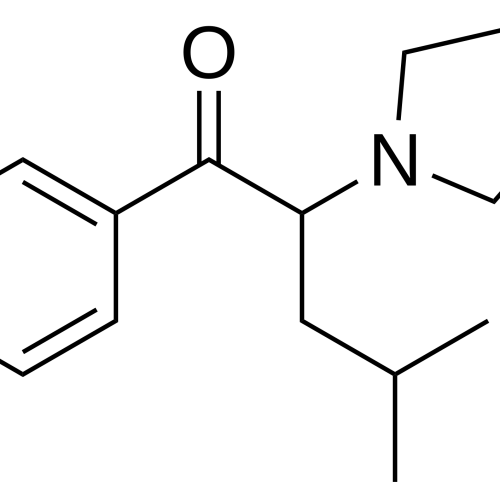
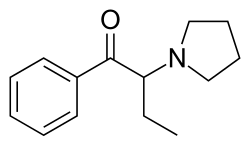
α-PCYP is related to α-PVP, α-PBP, α-PHP and α-PiHP. Its cyclohexyl group distinguishes it from the more common straight-chain pyrovalerones.

Reviews
There are no reviews yet.