α-Pyrrolidinobutiophenone (α-PBP) is a synthetic cathinone in the pyrovalerone family. It has a shorter alpha-carbon side chain than α-PVP and acts mainly as a dopamine and norepinephrine reuptake inhibitor. α-PBP has appeared in European drug markets since the early 2010s and has been detected in clinical toxicology investigations, including a Swedish series of 43 analytically confirmed intoxications.
Chemistry and history
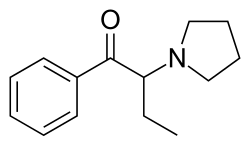
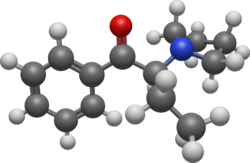
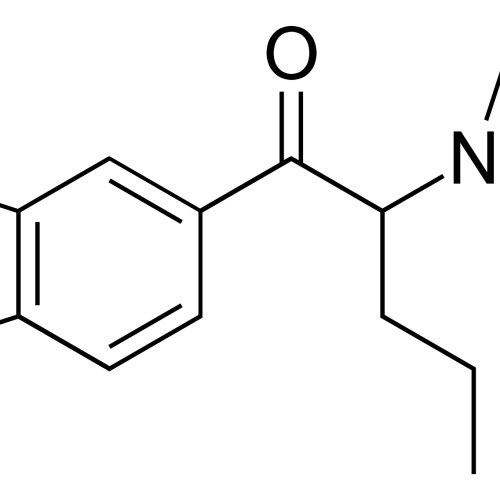
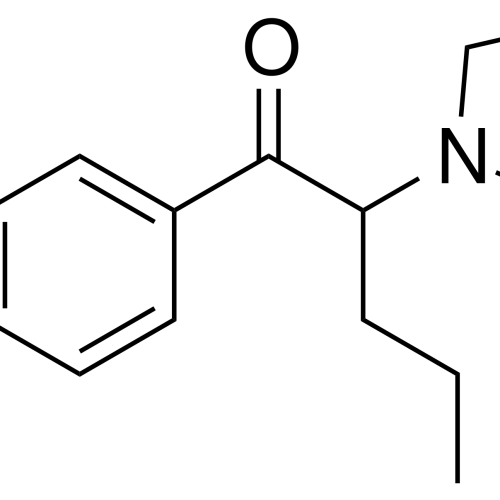
α-PBP is 1-phenyl-2-(pyrrolidin-1-yl)butan-1-one. It belongs to the α-pyrrolidinophenone group, which also includes α-PPP, α-PVP and α-PHP. The pyrrolidine ring replaces the primary or N-methyl amino group found in many other cathinones, while the shorter side chain distinguishes α-PBP from α-PVP.
It was first synthesised decades before its appearance on the new psychoactive substance market. European seizures were reported from Finland in 2011 and Sweden in 2013. It became more visible after controls were introduced for MDPV and α-PVP.
Pharmacology
α-PBP inhibits the dopamine and norepinephrine transporters, with much weaker activity at the serotonin transporter. In a comparison of MDPV-related stimulants, α-PBP blocked catecholamine uptake but was less potent than α-PVP and MDPV. The animal experiments also found stimulant-like locomotor effects (Pharmacology of novel synthetic stimulants related to MDPV, 2014).
A broader transporter study reported DAT and NET inhibition with relatively weak SERT activity. These findings are consistent with a stimulant mechanism dominated by dopamine and norepinephrine signalling rather than the more serotonergic profile associated with MDMA-like compounds (Eshleman and colleagues, 2017).
Reported effects
The PsychonautWiki profile of α-PBP and user accounts describe a stimulant experience. Reported effects include increased wakefulness, energy and euphoria, while anxiety, agitation and restlessness are also mentioned. These anecdotes do not constitute controlled observations of the drug’s effects.
Clinical and forensic findings
The Swedish STRIDA project identified α-PBP in 43 patients treated for suspected drug intoxication between April 2013 and November 2015. Agitation or anxiety was recorded in 59% of cases, tachycardia in 54% and hypertension in 37%. Fourteen patients required intensive-care monitoring, including eight cases classified as severe. Nearly all cases involved other new psychoactive substances or conventional drugs, and no deaths were reported in this series (Acute intoxications involving α-PBP: Swedish STRIDA project, 2018).
Metabolism
A human urine study identified two major phase I pathways: reduction of the ketone group to hydroxylated metabolites and oxidation of the pyrrolidine ring to lactam products. The hydroxylated metabolite was the most abundant of the parent-like phase I products in the samples examined. Some of these metabolites were also conjugated with glucuronic acid (Matsuta and colleagues, 2015).
Toxicity and research limitations
The clinical series shows that α-PBP can be present in significant stimulant intoxications, but frequent co-ingestion makes it difficult to attribute each symptom to α-PBP alone. There is no well-established human concentration threshold for toxicity or a controlled assessment of long-term effects and dependence.
Related compounds
α-PBP is related to α-PVP, α-PiHP, MDPV and MDPHP. It is the shorter-chain homologue of α-PVP within the pyrrolidinophenone group.

Reviews
There are no reviews yet.