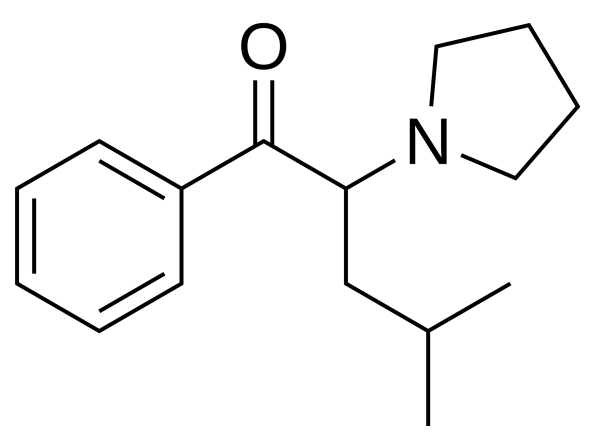
α-Pyrrolidinoisohexanophenone (α-PiHP) is a synthetic cathinone in the pyrovalerone family. It is a branched-chain analogue of α-PHP and a potent inhibitor of dopamine and norepinephrine reuptake. α-PiHP has appeared in European drug markets and has been detected in clinical and post-mortem investigations, including fatal intoxications.
Chemistry and relationship to α-PHP
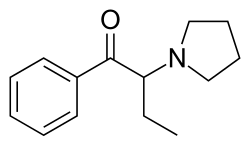
α-PiHP contains a phenyl ring, a ketone group and a pyrrolidine ring attached to the alpha carbon. Its isohexanophenone side chain is branched, making it a structural isomer of α-PHP rather than a simple higher homologue. The distinction matters in forensic analysis because the two compounds can be difficult to separate using some analytical methods.
The World Health Organization reviewed α-PiHP in 2022 and described it as a synthetic cathinone with no recognised therapeutic use. It was subsequently placed in Schedule II of the 1971 Convention on Psychotropic Substances (WHO critical review of α-PiHP, 2022).
Pharmacology
α-PiHP inhibits dopamine and norepinephrine uptake, with much weaker activity at the serotonin transporter. The UK ACMD’s 2025 assessment summarised a study reporting inhibition values of 13.4 nM at DAT, 150 nM at NET and 50,000 nM at SERT. This pattern is consistent with a strongly catecholaminergic stimulant rather than an empathogen (ACMD, 2025).
Reported effects
The PsychonautWiki profile of α-PiHP and user reports describe stimulation, euphoria and increased wakefulness. Other reported effects include restlessness, anxiety, agitation and difficulty sleeping. These varying accounts do not constitute controlled clinical observations.
Some clinical and forensic reports document more serious effects, including agitation, impaired behaviour, tachycardia, hypertension and altered consciousness. Severe stimulant toxicity may involve hyperthermia, seizures and organ injury.
Clinical and forensic findings
A 2019 forensic case report described an 18-year-old man found dead with α-PiHP detected in multiple post-mortem samples. The authors accepted fatal intoxication with α-PiHP as the cause of death, although other substances were also detected in some specimens (A case of intoxication with α-PiHP, 2019).
A 2026 forensic case series examined ten investigations involving pyrrolidinohexiophenones. It reported a wide range of α-PiHP concentrations, with overlap between fatal and non-fatal cases, and highlighted the importance of separating α-PiHP from its structural isomer α-PHP during analysis (Gomonit and colleagues, 2026).
Metabolism and toxicity
α-PiHP undergoes metabolism typical of pyrrolidinophenones, including hydroxylation and oxidation of the pyrrolidine-containing structure. A 2026 forensic study also emphasised that co-ingested substances are common in cases involving these compounds, making it difficult to assign every clinical finding to α-PiHP alone.
The WHO review records reports of emergency presentations and deaths. Although the available data establish a significant public-health concern, they do not define a single concentration threshold that predicts the outcome of an exposure.
Related compounds
α-PiHP is related to α-PHP, α-PVP, MDPHP and α-PBP. It is the branched-chain structural isomer of α-PHP.
Reviews
There are no reviews yet.