
AZD-1940 is an experimental benzimidazole cannabinoid receptor agonist developed by AstraZeneca for its potential analgesic effects. It was designed to act mainly outside the central nervous system and has been described as a peripherally acting CB1/CB2 agonist. Unlike many substances grouped under recreational synthetic cannabinoids, AZD-1940 progressed into early human clinical studies, although it did not demonstrate analgesic efficacy in the trials reported.
Chemistry and development
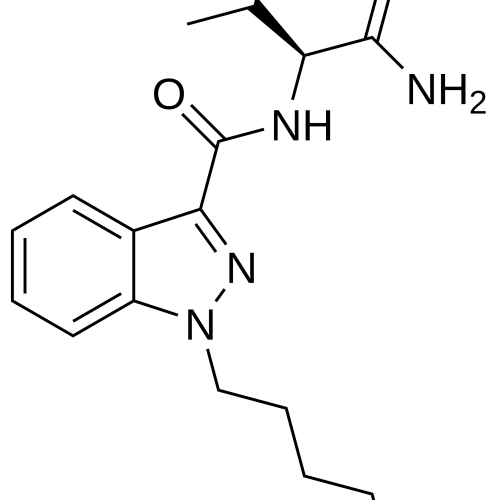
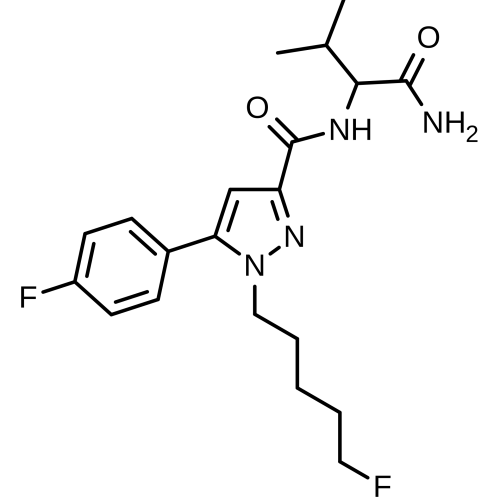
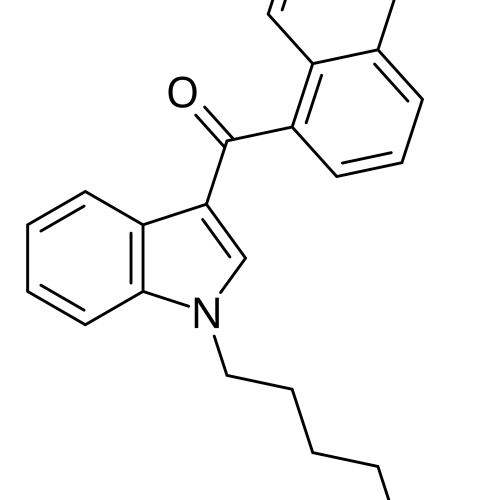
AZD-1940 is a benzimidazole derivative with a tert-butyl group, a difluorocyclohexylmethyl substituent and an ethanesulfonamide group. It is structurally distinct from indazole-carboxamide compounds such as AB-CHMINACA and from naphthoylindoles such as AM-2201.
The compound was developed as a potential peripheral analgesic. The IUPHAR/BPS Guide to Pharmacology classifies it as a peripherally acting cannabinoid receptor agonist and records its clinical development history (IUPHAR/BPS Guide to Pharmacology: AZD-1940).
Pharmacology
AZD-1940 acts as an agonist at CB1 and CB2 receptors. Its peripheral distribution was intended to reduce central cannabinoid effects while retaining activity at peripheral receptors involved in pain signalling. The pharmacological concept was explored in preclinical research and then assessed in early clinical studies.
Human clinical research
A randomized, double-blind, placebo-controlled study examined AZD-1940 in 44 healthy male volunteers. The compound did not significantly reduce capsaicin-induced pain or hyperalgesia compared with placebo. Mild subjective effects, including feeling “high” or sedated, were recorded, and dose-dependent mild-to-moderate central nervous system and gastrointestinal adverse events occurred (Kalliomäki and colleagues, 2013).
A separate Phase II study assessed AZD-1940 after lower third-molar extraction. The IUPHAR clinical summary records that the compound did not reduce post-operative pain in that trial. AstraZeneca’s trial registry confirms that the study was completed, with 151 participants enrolled (AstraZeneca clinical trial record, Phase II).
Reported adverse effects
In the healthy-volunteer study, reported adverse events included postural dizziness, nausea, hypotension and headache. Most were mild to moderate, although the dose-limiting effects in an earlier study included dizziness, low blood pressure and psychiatric adverse events at higher exposure. These observations come from monitored clinical trials and should be distinguished from reports involving illicit synthetic cannabinoids.
Research limitations and status
AZD-1940 is a useful example of the difference between receptor activity and clinical benefit. Research established its CB1/CB2 agonism and peripheral distribution, but the clinical pain studies did not demonstrate the intended analgesic effect. The available literature does not establish long-term safety or a therapeutic role in routine clinical practice.
Its inclusion in broad synthetic-cannabinoid classifications does not make it a recreational drug. Its documented history is primarily that of an experimental pharmaceutical candidate.
Related compounds
AZD-1940 is related in medicinal-chemistry context to AZ-11713908 and other benzimidazole cannabinoid ligands. Both were investigated for peripheral cannabinoid-receptor activity, but their structures and clinical development histories differ.
Reviews
There are no reviews yet.