
Ethylphenidate is a synthetic stimulant in the phenidate family and the ethyl ester analogue of methylphenidate. It inhibits dopamine and norepinephrine reuptake and has been used non-medically as a stimulant. Ethylphenidate has also been detected as a metabolite formed when methylphenidate and ethanol are taken together. Forensic studies have linked it to multiple deaths, although it was considered the direct cause in only a subset of those cases.
Chemistry and occurrence
Ethylphenidate has the same piperidine-based phenylacetic acid framework as methylphenidate, but carries an ethyl ester rather than a methyl ester. It is chiral and can occur as different stereoisomers. The compound appeared on the new psychoactive substance market in the early 2010s and was sold as a methylphenidate-like stimulant.
Ethylphenidate can also form in the body through a carboxylesterase 1-mediated transesterification reaction when methylphenidate is taken with ethanol. This metabolic route is one reason it may be detected in samples from people who did not intentionally consume ethylphenidate as a separate product (National Toxicology Program: Methylphenidate monograph).
Pharmacology
Ethylphenidate inhibits the dopamine transporter (DAT) and norepinephrine transporter (NET), with much weaker activity at the serotonin transporter. In an in-vitro comparison of methylphenidate analogues, ethylphenidate acted as a reuptake inhibitor rather than a transporter-mediated monoamine releaser (Luethi and colleagues, 2018).
A rat brain-slice study found that ethylphenidate altered evoked dopamine and norepinephrine efflux in the nucleus accumbens and bed nucleus of the stria terminalis. These findings reflect changes in electrically evoked neurotransmission in tissue preparations, not direct evidence of the compound’s subjective effects in people (Davidson and colleagues, 2018).
Subjective effects
The PsychonautWiki profile of ethylphenidate draws broad comparisons with the stimulant effects of methylphenidate. Users report increased alertness, concentration, energy and confidence, alongside anxiety, restlessness and insomnia. These anecdotal accounts cannot establish a consistent clinical profile.
Physical and cognitive effects
Reported effects include wakefulness, increased motivation, reduced appetite and faster thinking. Some users describe euphoria or sociability. Unwanted effects include palpitations, increased heart rate, elevated blood pressure, anxiety, irritability and sleep disruption.
Clinical and forensic findings
A 2016 forensic study reported seven fatalities in which ethylphenidate was detected and quantified. The cases occurred between 2013 and 2015, and many involved other substances. The authors discussed the difficulty of deciding whether ethylphenidate was the principal cause or a contributing factor in each death (Maskell and colleagues, 2016).
A 2019 review of methylphenidate and its analogues summarised a wider forensic record, reporting 28 deaths in which ethylphenidate was involved, with a direct contribution considered likely in a smaller subset. The review emphasised the frequency of polydrug exposure and the limited compound-specific clinical data (Use of cognitive enhancers: methylphenidate and analogues, 2019).
Metabolism, dependence and research limitations
Ethylphenidate is metabolised through hydrolysis and other pathways involving esterases. Its formation from methylphenidate and ethanol is stereoselective, and the amount formed endogenously is generally low. The pharmacological significance of this metabolite formation is not fully established.
There are no controlled human studies that define the dependence potential or long-term effects of non-medical ethylphenidate use. The forensic record demonstrates that it can be present in fatal intoxications, but mixed-drug cases and variable circumstances prevent a simple concentration-toxicity interpretation.
Related compounds
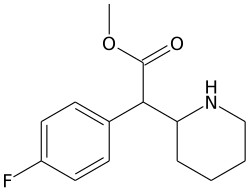
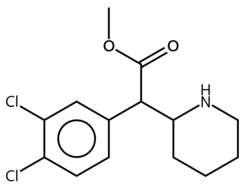
Ethylphenidate is related to Methylphenidate, 4F-EPH, 4F-MPH, 3,4-CTMP and Isopropylphenidate. It is the ethyl ester analogue of methylphenidate.

Reviews
There are no reviews yet.