
Methylnaphthidate, commonly known as HDMP-28, is a synthetic stimulant in the phenidate family. It is structurally related to methylphenidate, but the phenyl ring is replaced by a naphthalene group. Research describes it as a dopamine reuptake inhibitor with reinforcing effects in experimental models. Despite its appearance on online research-chemical markets, there is little controlled information about its effects or safety in humans.
Chemistry and relationship to methylphenidate
Methylnaphthidate retains the piperidine ring and methyl ester found in methylphenidate. Its main structural change is the naphthyl group in place of the phenyl ring. The compound is also known as HDMP-28 or DL-threo-methylnaphthidate. It should be distinguished from other naphthyl-substituted stimulants that do not share the phenidate structure.
The naphthalene substitution changes the molecule’s interaction with monoamine transporters. It does not make methylnaphthidate a phenyltropane or a cocaine derivative; its chemical framework remains that of a piperidine-based phenidate.
Pharmacology
Methylnaphthidate is described in the literature as a dopamine reuptake inhibitor. A review of cognitive-enhancing substances reports high affinity for the dopamine transporter (DAT), with the threo stereoisomer showing greater activity than the corresponding alternative stereochemical form. The same review notes reinforcing effects in experimental research, although its pharmacology in humans remains incompletely understood (The Psychonauts’ World of Cognitive Enhancers, 2020).
A 2024 metabolism study examined HDMP-28 in equine liver microsomes and the fungal model Cunninghamella elegans. It identified 31 metabolites, including hydroxylated, hydrogenated, hydrolysed and glucuronide products. These were experimental models used for analytical and doping-control research, not a human pharmacokinetic study (Ajeebsanu and colleagues, 2024).
Reported effects
There is no substantial collection of controlled human observations for methylnaphthidate. Online descriptions generally compare it with methylphenidate and other dopamine reuptake inhibitors, but those accounts do not establish a predictable subjective profile.
Increased alertness, stimulation and changes in motivation are plausible from its transporter activity. Anxiety, restlessness, reduced appetite, elevated heart rate and sleep disruption are concerns associated with stimulant drugs, but their frequency and severity have not been established specifically for HDMP-28.
Toxicity and research limitations
Far less has been published on methylnaphthidate than on methylphenidate. There are no well-characterised clinical case series defining its acute toxic range, dependence potential or long-term effects. Findings from methylphenidate should not be treated as direct evidence about HDMP-28, because the naphthyl substitution changes its pharmacology.
The 2024 metabolism work may help forensic laboratories identify the compound and its metabolites, but it does not establish how the substance is processed in humans or how long it remains detectable after exposure.
Related compounds
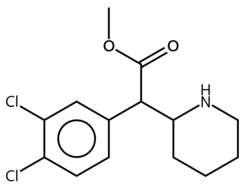
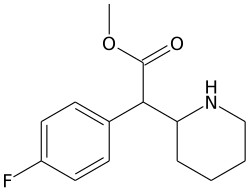
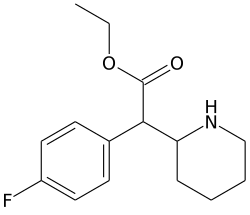
Methylnaphthidate is related to Methylphenidate, Ethylphenidate and other phenidate analogues. Its naphthyl ring distinguishes it from the phenyl-substituted members of the group.

Reviews
There are no reviews yet.