
N-Ethylpentedrone (NEP), also known as α-ethylaminopentiophenone, is a synthetic cathinone stimulant. It is the N-ethyl analogue of pentedrone and belongs to the group of dopamine-transporter-selective cathinones. NEP appeared on the recreational drug market in the mid-2000s and has been associated with fatal and non-fatal intoxications. Recent forensic research has improved the understanding of its metabolites and blood concentrations.
Chemistry and history
NEP is a beta-keto amphetamine with an ethyl group attached to the amino nitrogen and a propyl side chain at the alpha carbon. It is structurally related to pentedrone and N-ethylhexedrone. The compound remained legally available in the Netherlands until it was included under the Opium Act on 1 July 2025 (Roosendaal and colleagues, 2026).
Pharmacology
NEP is a potent inhibitor of dopamine uptake and shows strong selectivity for the dopamine transporter over the serotonin transporter. In vitro studies have found much weaker activity at SERT than at DAT, while animal experiments demonstrate psychostimulant and rewarding effects. These findings are consistent with a stimulant profile dominated by dopaminergic activity (Structure–activity study of second-generation cathinones, 2021).
In mice, N-ethyl-substituted cathinones produced locomotor stimulation and rewarding effects. The addition of an N-ethyl group increased dopamine-transporter inhibition compared with some N-methyl analogues, although this is an experimental comparison rather than a human potency measure.
Subjective effects
The PsychonautWiki profile of NEP describes potent stimulant effects. Users often mention euphoria, alertness and increased motivation, alongside short-lived desired effects and a tendency towards repeated use.
Physical effects
Reported effects include stimulation, increased heart rate, sweating, reduced appetite and physical restlessness. Jaw tension, dehydration, nausea and difficulty sleeping are also described. More severe stimulant reactions may involve agitation, hyperthermia and cardiovascular strain.
Cognitive effects
Users report increased wakefulness, focus and euphoria. Anxiety, irritability, paranoia and compulsive redosing are also mentioned. The dopamine-selective profile may help explain the strong stimulant character, but it does not predict how any individual will respond.
Clinical and forensic findings
A 2026 forensic study examined twelve cases in which NEP was detected, including fatal and non-fatal investigations. Four cases were considered potentially fatal NEP-related intoxications. The authors reported that post-mortem blood concentrations could increase substantially after death and warned that storage conditions and time since exposure must be considered when interpreting results (Roosendaal and colleagues, 2026).
A 2025 observational study also examined NEP and related cathinones in oral fluid and sweat after controlled administration, providing preliminary human data on detection and pharmacokinetics (Núñez-Montero and colleagues, 2025).
Metabolism and toxicity
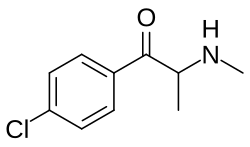
Metabolic studies have identified phase I products including N-deethylated and reduced metabolites. A 2024 study compared NEP with N-ethylhexedrone and 4-CMC, expanding the available forensic markers (Massano and colleagues, 2024).
Clinical and forensic reports show that NEP can be involved in serious intoxications and deaths. Its stimulant activity and rewarding effects in animals support concern about abuse potential, but the long-term effects of repeated human exposure have not been fully established.
Related compounds
NEP is related to Pentedrone, N-Ethylhexedrone and other N-ethyl cathinones. It is the N-ethyl analogue of pentedrone and differs from N-ethylhexedrone by one carbon in the alpha side chain.

Reviews
There are no reviews yet.