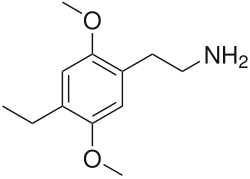
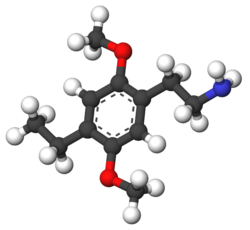
2C-E, or 4-ethyl-2,5-dimethoxyphenethylamine, is a synthetic psychedelic in the 2C family. It has an ethyl group at the 4-position of the phenyl ring and is often described in user reports as a comparatively intense and analytically oriented psychedelic. Laboratory studies show agonist activity at 5-HT2A and 5-HT2C receptors, while clinical reports are limited.
Chemistry and history
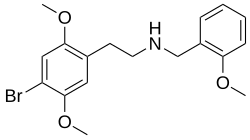
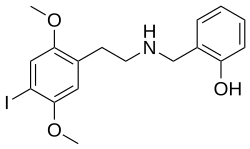
2C-E was developed during the exploration of substituted phenethylamines and was described by Alexander Shulgin. Its structure contains methoxy groups at the 2- and 5-positions and an ethyl substituent at the 4-position. It is the parent compound of 25E-NBOMe and 25E-NBOH, which carry different N-benzyl groups.
Pharmacology
2C-E acts primarily through serotonin receptors, particularly 5-HT2A and 5-HT2C. In a study comparing several substituted phenethylamines, it showed agonist activity at both receptors and produced hallucinogen-like responses in rat drug-discrimination tests. At lower experimental exposures, it also increased locomotor activity (Gatch and colleagues, 2013).
The same research found that 2C-E did not produce a methamphetamine-like discriminative stimulus. Its behavioural profile was more consistent with serotonergic hallucinogens.
Subjective effects
The PsychonautWiki profile of 2C-E describes visual changes, altered thought and heightened sensory awareness. Users often find the experience mentally demanding, with perceptual and introspective effects. These descriptions are anecdotal, rather than observations from controlled clinical studies.
Visual and sensory effects
Reports include geometric patterns, intensified colours, movement distortions and changes in perspective. Some describe complex closed-eye imagery and an altered sense of depth. Auditory and tactile perception may also change.
Cognitive and emotional effects
Users describe introspection, unusual associations, changes in time perception and increased emotional intensity. Euphoria may occur, but anxiety, confusion and thought loops are also reported. Accounts differ in the balance of pleasant and unpleasant effects.
Physical effects
Reported physical effects include nausea, muscle tension, increased heart rate, sweating and restlessness. These observations have not been quantified in controlled human studies of 2C-E.
Toxicity and research limitations
There is limited clinical information about 2C-E intoxication. A review of the 2C family describes a group of patients whose product was sold as 2C-I but was analytically identified as 2C-E; presentations included tachycardia, severe agitation and hallucinations, with one fatal outcome reported in the broader series. Because the original product identification was misleading and the case details were limited, the report should be interpreted cautiously (2C or Not 2C: Phenethylamine Designer Drug Review, 2013).
Controlled human studies defining its pharmacokinetics, toxic range and long-term effects are lacking. The more potent N-benzyl derivatives 25E-NBOMe and 25E-NBOH have separate toxicological records and should not be used as direct evidence about 2C-E.
Related compounds
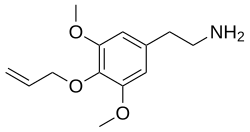
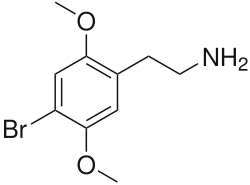
2C-E is related to 2C-B, 2C-C, 2C-D and 2C-P. Its N-benzyl derivatives include 25E-NBOMe and 25E-NBOH.
Reviews
There are no reviews yet.