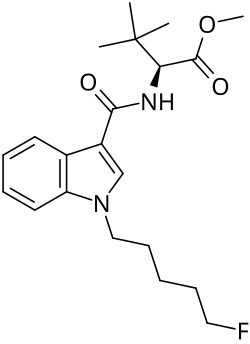
5F-MDMB-2201, also known as 5F-MDMB-PICA, is a synthetic cannabinoid in the indole-carboxamide family. It is a fluorinated analogue with a tert-leucinate ester group and has been identified in plant material intended for smoking and in powder. The World Health Organization describes it as a full agonist at CB1 and CB2 receptors. Clinical reports include agitation, delirium, seizures and fatal intoxication.
Chemistry and identification
5F-MDMB-PICA is methyl (2S)-2-{[1-(5-fluoropentyl)-1H-indole-3-carbonyl]amino}-3,3-dimethylbutanoate. It contains an indole core, a 5-fluoropentyl chain and a methyl tert-leucinate group. The name 5F-MDMB-2201 is used as a synonym for this structure in WHO documentation (WHO critical review: 5F-MDMB-PICA).
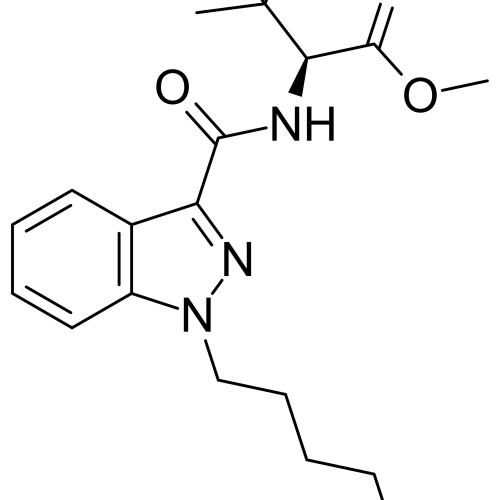
It is distinct from 5F-ADB, or 5F-MDMB-PINACA, which contains an indazole core rather than an indole. The two substances have related names and side-chain features, but are chemically distinct.
Pharmacology
The WHO review identifies 5F-MDMB-PICA as a full agonist at both CB1 and CB2 receptors. CB1 activation is associated with its central psychoactive effects. The WHO noted that the compound is an analogue of 5F-MDMB-PINACA and has no recognised therapeutic use (WHO Expert Committee on Drug Dependence).
Reported effects
Clinical descriptions include impaired mental status, severe psychomotor agitation, delirium and seizures. These reactions are consistent with the severe neuropsychiatric effects reported for other potent synthetic cannabinoid receptor agonists. The available clinical evidence is limited and some cases involve co-exposure to other drugs.
Clinical and forensic findings
A 2022 forensic case report described a fatal intoxication in which 5F-MDMB-PICA and 4F-MDMB-BINACA were both detected, together with ethanol. The investigators concluded that combined poisoning by the two synthetic cannabinoids and alcohol was the likely cause, while noting that the absence of a full autopsy limited certainty about other possible contributors (Fatal intoxication involving 5F-MDMB-PICA and 4F-MDMB-BINACA, 2022).
A WHO review also records cases of apparent mass overdose involving 5F-MDMB-PICA together with other synthetic cannabinoids and fentanyl, as well as at least one death associated with its use.
Toxicity and research limitations
The WHO concluded that the pharmacological profile and reported adverse effects raised substantial public-health concerns. No controlled studies of dependence potential were available, although dependence was considered plausible from its CB1 agonist activity. Long-term human effects and detailed pharmacokinetics remain incompletely characterised.
Related compounds
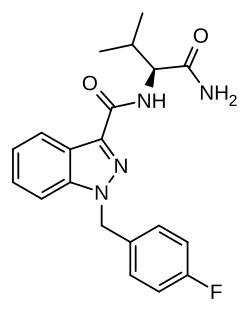
5F-MDMB-2201 is related to 5F-ADB, 4F-ADB and other MDMB-based synthetic cannabinoids. Its indole core distinguishes it from the indazole structure of 5F-ADB.
Reviews
There are no reviews yet.