
TH-PVP, also known as 3′,4′-tetramethylene-α-pyrrolidinovalerophenone, is a synthetic pyrrolidinophenone related to α-PVP. Its structure contains a fused tetralin ring in place of the phenyl ring found in conventional pyrovalerones. TH-PVP has been confirmed in structurally characterised reference material and is included in forensic analytical work, but published information about its pharmacological effects in humans is very limited.
Chemistry and identification
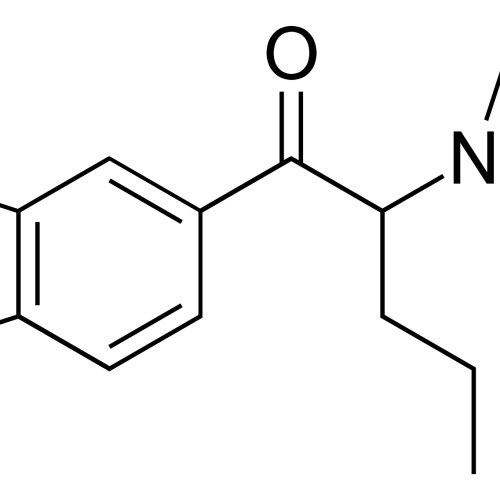
TH-PVP is 2-(pyrrolidin-1-yl)-1-(5,6,7,8-tetrahydronaphthalen-2-yl)pentan-1-one. It retains the pyrrolidine ring and valerophenone side chain of α-PVP, while two adjacent positions on the aromatic system are joined by a four-carbon bridge to form a partially hydrogenated ring. The DEA’s Special Testing and Research Laboratory published a reference monograph based on structurally confirmed material in 2016 (DEA/SWGDRUG TH-PVP monograph, 2016).
Pharmacology
No published transporter assay has established TH-PVP’s activity at the dopamine, norepinephrine or serotonin transporters. Its pyrrolidinophenone structure places it in the same broad chemical group as α-PVP and MDPV, which are potent catecholamine reuptake inhibitors. That relationship makes stimulant activity plausible, but it does not establish TH-PVP’s potency or selectivity.
A 2025 study examined TH-PVP metabolism using human liver microsomes. The researchers identified 27 metabolites across 12 metabolic categories. Hydroxylation, β-ketone reduction and combinations of these pathways accounted for most of the metabolites observed. The study provides forensic markers for detecting exposure, not evidence about the compound’s clinical effects or duration in people (Luo and colleagues, 2025).
Reported effects
Reliable human accounts are too limited to establish a characteristic TH-PVP experience. Accounts and pharmacological descriptions of α-PVP or other pyrovalerones are not direct observations of TH-PVP. In particular, the available evidence does not establish its subjective intensity, duration or relative balance of stimulation and adverse effects.
Toxicity and research limitations
No well-characterised clinical case series or human pharmacokinetic study specific to TH-PVP was identified in the available literature. Its acute toxic range, dependence potential and long-term effects remain unknown. The 2025 microsomal study improves understanding of its possible metabolic pathways, but an in-vitro liver model cannot establish how the compound behaves in a living person.
TH-PVP should also be distinguished from TH-PHP and other tetramethylene-substituted pyrovalerones. Their shared structural motif does not mean they have identical transporter activity or toxicological profiles.
Related compounds
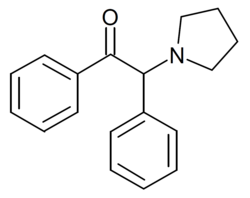
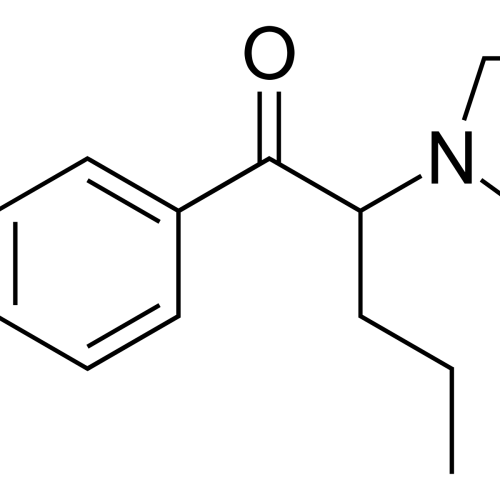
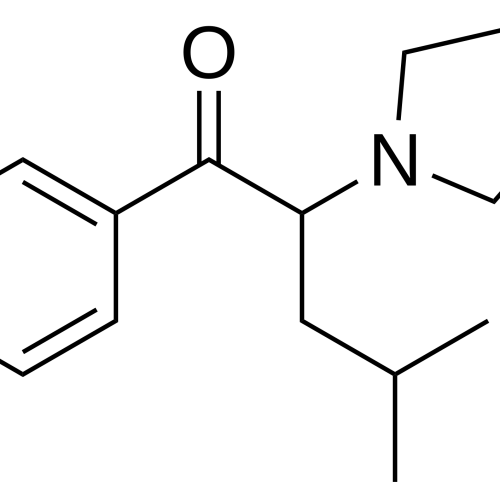
TH-PVP is structurally related to α-PVP, α-PHP, MDPV and other pyrrolidinophenones. Its fused tetralin ring distinguishes it from the more common phenyl-based compounds.
Reviews
There are no reviews yet.