
Deoxymethoxetamine (DMXE), also known as 3-Me-2′-oxo-PCE, is a synthetic dissociative in the arylcyclohexylamine family. It is structurally related to methoxetamine (MXE), but has a methyl group in place of MXE’s methoxy group on the phenyl ring. DMXE appeared on the research-chemical market around 2020. Its pharmacology has since been examined in laboratory studies, although there is still little information about its effects or toxicity in humans.
Chemistry and history
DMXE has the same basic cyclohexanone and N-ethylamine framework as MXE. The difference is the substituent at the 3-position of the phenyl ring: DMXE has a methyl group, whereas MXE has a methoxy group. The compound is also described as 3-methyl-2′-oxo-PCE.
It was identified in illegal products in Japan alongside MXPr and MXiPr in a 2022 analytical study. The Center for Forensic Science Research and Education later reported its identification in Denmark in February 2021 and confirmed it in drug material analysed by its laboratory in 2025 (Tanaka and colleagues, 2022; CFSRE monograph, 2025).
Pharmacology
DMXE acts as an NMDA receptor antagonist. In patch-clamp experiments using mouse neurons, its measured IC50 was 0.679 μM, close to the value reported for MXE in the same study (0.524 μM). The result indicates that replacing MXE’s methoxy group with a methyl group does not eliminate NMDA receptor activity (Irie and colleagues, 2022).
These experiments establish receptor activity in a laboratory model, not a human potency estimate. There are no published clinical trials that define its pharmacokinetics, subjective effects or therapeutic properties.
Subjective effects
The available PsychonautWiki discussion of DMXE is not a fully approved substance article. It describes the compound as ketamine-like, but the amount of reliable experience data is small. Reports should therefore be treated as preliminary rather than as a settled profile.
Accounts generally describe dissociation, changes in body perception and altered awareness of the surroundings. Euphoria and internal imagery are also mentioned, but there is not enough consistent reporting to establish how often these effects occur or how they compare with MXE.
Physical and sensory effects
Reported effects include bodily lightness, changes in tactile perception, impaired coordination and a feeling of physical detachment. As with other NMDA antagonists, stronger dissociation may involve substantial motor impairment and reduced awareness of the environment. The reports are too limited to show how often each physical effect occurs.
Cognitive effects
Descriptions include euphoria, changes in time perception, memory disruption and a dream-like quality to thought. Some users compare the experience with MXE or ketamine. These comparisons are subjective and do not show that the compounds have identical effects.
Toxicity and research limitations
DMXE has a short history of human exposure, and no clinical series has established its acute toxic range or long-term effects. The 2022 receptor study confirms potent NMDA receptor blockade, while the forensic monograph notes that the substance had been found in drug materials but not in the laboratory’s toxicology cases at the time of publication.
Its metabolism and possible interactions remain poorly characterised. Findings from MXE or other related dissociatives cannot be transferred directly to DMXE, even though the compounds share a common structural framework.
Related compounds
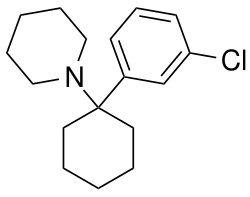
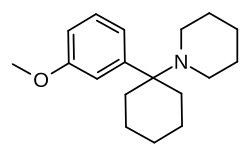
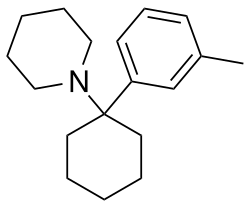
DMXE is related to Methoxetamine, O-PCE, MXiPr and MXPr. The differences between them lie in the aromatic substituent and the group attached to the nitrogen atom.

Reviews
There are no reviews yet.