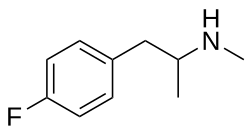
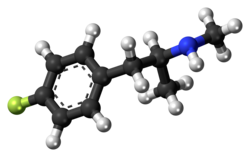
4-Fluoromethamphetamine (4-FMA) is a synthetic stimulant related to methamphetamine and 4-FA. It carries a fluorine atom at the 4-position of the phenyl ring and an additional methyl group on the terminal nitrogen. User reports describe a mixture of stimulant and entactogenic effects, but its pharmacology and toxicology remain less thoroughly characterised than those of established amphetamines.
Chemistry
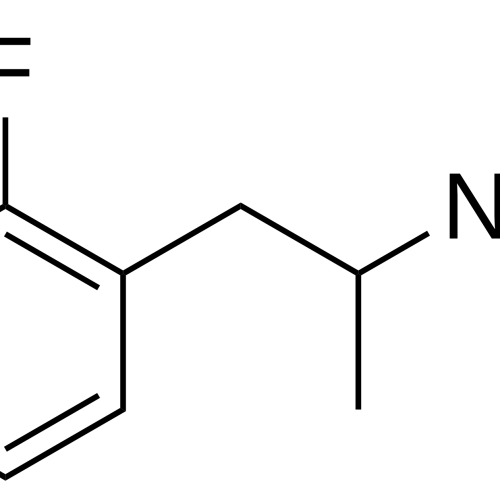
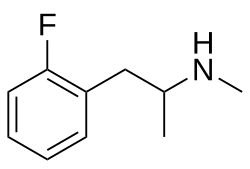
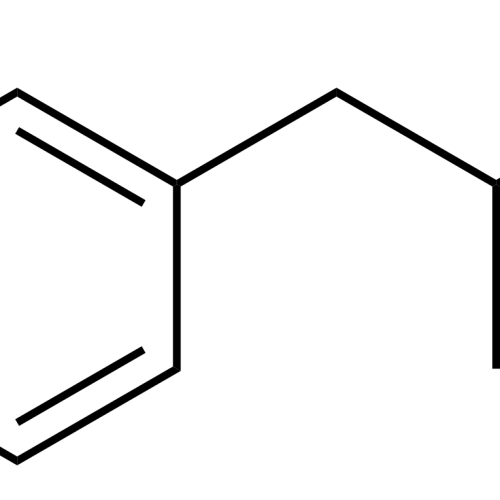
4-FMA is the para-fluorinated analogue of methamphetamine. It is closely related to 4-FA, but the nitrogen is methylated, as in methamphetamine. It is also a positional isomer of 2-FMA and 3-FMA. The location of the fluorine atom is important: animal studies have found differences in stimulant effects between the three fluoromethamphetamine isomers.
History and appearance on the research-chemical market
4-FMA was reported in products sold as legal highs in Japan in 2006. It later appeared on the online research-chemical market alongside 2-FA, 3-FA and 4-FA. After 4-FA was prohibited in the Netherlands in 2017, 4-FMA became more visible as a supposed alternative. Drug-checking reports from 2018 found that some samples sold as 4-FA contained 4-FMA or other fluorinated amphetamines instead.
Pharmacology
Its pharmacology is not yet fully understood. It is thought to increase dopamine, norepinephrine and serotonin signalling, which would help explain why reports describe both conventional stimulant effects and some entactogenic qualities.
A 2025 rodent study found that 4-FMA produced stimulant-like locomotor effects and substituted for methamphetamine in drug-discrimination tests, although its peak locomotor effect was lower than that of several other fluorinated analogues. These results provide evidence of stimulant activity in animals, not a direct measure of human potency (Gatch and colleagues, 2025).
Subjective effects
The effects described in the PsychonautWiki 4-FMA profile are based on anecdotal accounts. Users often compare the experience with a blend of 4-FA and 2-FMA, although the balance between stimulation and emotional effects varies.
Physical effects
Stimulation and increased stamina are commonly reported. Physical effects may include reduced appetite, increased heart rate and perspiration, raised body temperature, vasoconstriction and dehydration. Teeth grinding, muscle contractions, restless legs and tremors are also described.
Other reports mention headaches, dizziness, abnormal heartbeat, pupil dilation, dry mouth and temporary sexual dysfunction. Some users describe a vibrating or unstable quality to their vision.
Cognitive and emotional effects
Euphoria is often described as arriving in waves rather than remaining constant. Empathy, affection and sociability are also reported, although accounts differ on how pronounced these effects are. Increased appreciation of music, immersion and novelty may accompany the emotional effects.
The stimulant component is reflected in reports of increased motivation, focus, analytical thinking, wakefulness and faster thoughts. Disinhibition and increased libido are also mentioned. Less pleasant effects include paranoia, delusional thinking and compulsive redosing.
After-effects
Reported after-effects include anxiety, cognitive fatigue, depression, depersonalisation and irritability. Some accounts mention reduced motivation, slowed thinking, psychotic symptoms or suicidal ideation. The accounts describe a psychologically difficult comedown, although they cannot establish how common these effects are.
Toxicity and research findings
There is little clinical information about the toxicity of 4-FMA in humans. A 2021 laboratory study examined its effects in liver-cell models and found evidence of hepatotoxicity. The researchers identified roles for the metabolic enzymes CYP2E1, CYP2D6 and CYP3A4, with changes in mitochondrial function, oxidative stress and cell-death pathways. These findings raise a concern about possible liver injury, but cell studies cannot determine the frequency or severity of liver damage in people (Bravo and colleagues, 2021).
The 2025 animal study adds evidence of methamphetamine-like behavioural activity. Together, the laboratory findings suggest that 4-FMA should not be regarded as a well-understood or low-risk substitute for 4-FA. Human pharmacokinetic data, clinical case series and long-term follow-up remain limited.
Related compounds
4-FMA is closely related to 4-FA, 2-FMA and 3-FMA. It is also compared with methamphetamine because of its N-methylated structure. Despite these similarities, findings from one compound cannot automatically be applied to another.

Reviews
There are no reviews yet.