Dissociatives
The term dissociative describes changes in perception and awareness, not one particular family of molecules. Sensory information may seem disconnected from the body or surroundings; memory and the sense of self can be affected as well. Ketamine has a substantial clinical research history, while many compounds discussed alongside it are known chiefly from pharmacological experiments and forensic reports.
The same label covers some very different chemistry. An arylcyclohexylamine and a diarylethylamine may both influence NMDA receptor signaling, despite being built on different molecular frameworks. A shared description of their effects can hide clinically important differences.
What Is Dissociation in Pharmacology?
Dissociation also appears in psychology and psychiatry, where it carries related but distinct meanings. For psychoactive substances it is often used for disturbances in the usual integration of sensation, bodily awareness, memory and environmental context. That is a description of possible experiences, not a guarantee that any particular compound will produce the same response in different people.
Many of the best-known dissociative substances reduce signaling through NMDA receptors, one of the receptor types through which glutamate supports excitatory communication and synaptic plasticity. NMDA antagonism helps explain important effects of ketamine- and PCP-related drugs. Other targets, pharmacokinetics and the context of exposure can also substantially influence the effects.
NMDA antagonism does not make compounds identical
A shared receptor target leaves many differences to examine. Two drugs can differ in their access to the brain, binding properties, metabolism and activity elsewhere in the nervous system. The review of arylcyclohexylamine pharmacology and toxicology sets out those differences among members of the ketamine- and PCP-related lineages.
Two Major Chemical Families
Arylcyclohexylamines
The arylcyclohexylamine family includes compounds associated with the chemistry of ketamine and phencyclidine (PCP). Among the entries here are 2-FDCK, methoxetamine (MXE), 3-MeO-PCP and O-PCE. Their related structures invite comparison. Duration and the clinical picture in an intoxication still need to be assessed compound by compound.
Of these lineages, ketamine has the most developed human literature, including studies in anesthesia and regulated clinical treatment. That knowledge provides useful background, but it cannot establish the safety of newer derivatives. A seemingly modest structural change may alter receptor interactions or metabolism.
Diarylethylamines
Diarylethylamines belong to a chemically separate branch. Two examples listed here are Diphenidine and ephenidine. Several compounds in this group have shown NMDA receptor antagonism experimentally. In an electrophysiological study of ephenidine, ephenidine altered NMDA-mediated responses in brain tissue. It is useful laboratory evidence, but it does not describe the complete effect of the compound in people.
Similarity in reported dissociative effects is what links these compounds to the wider category. It does not make diarylethylamines chemically equivalent to ketamine derivatives.
How Scientists Separate Mechanism From Experience
No single experiment connects a result at a receptor with the full human experience. Receptor assays establish a molecular action, animal studies investigate selected physiological or behavioral changes, and human research can examine clinical outcomes. Forensic samples and case reports reveal what happened in particular exposures. With many newer dissociatives, only fragments of that chain exist.
A case report might document severe agitation following exposure to an analytically confirmed dissociative. The detection matters, yet the report may still lack crucial details: another substance taken earlier, an uncertain timeline, or an underlying illness. One well-documented case may show that an event is possible; it cannot establish its frequency.
Metabolism changes the picture
Some dissociatives undergo transformations that produce active or analytically important metabolites. As a result, interpreting a biological sample may require more than detecting the parent compound. A metabolite can help establish exposure without necessarily explaining every effect observed. Differences in elimination and tissue distribution can also affect the length and pattern of impairment.
Clinical Risks and What Remains Unknown
In reported intoxications, clinicians have observed confusion, poor coordination, agitation, raised blood pressure or heart rate, and sometimes serious psychiatric or neurological complications. There have also been fatalities involving particular compounds. A single, uniform ‘dissociative toxicity’ profile would conceal these differences. Medical experience with ketamine does not resolve the unknowns surrounding a poorly studied analogue.
A further problem arises when exposure is poorly documented. A routine toxicology panel may not detect a novel dissociative, and a product’s stated identity may be wrong. These problems can obscure both clinical diagnosis and the quality of later research. They are discussed in the guide to research chemical safety.
Testing and Identifying Dissociatives
Identifying a novel dissociative can require chromatographic separation, mass spectrometry and, for closely related isomers, additional structural evidence. The report should make clear which sample was tested and how firm the identification is. A label or a familiar-sounding chemical name is not analytical confirmation.
Confirming the contents of a sample is a separate task from evaluating its toxicological risk. A certificate of analysis may address the former within a defined scope. It does not answer the latter. Researchers also need to know how substances are metabolized and which metabolites the laboratory method can detect.
Regulation and Scientific Context
These compounds span approved medical uses, scientific research and substances monitored as NPS. Legal status cannot be inferred from chemical structure alone and may change over time. Named controls, analogue provisions and jurisdictional differences all matter. The legality guide outlines why pharmacological classification is a poor shortcut for legal conclusions.
The parent Research Chemicals section places dissociatives alongside other psychoactive families. The nearby psychedelics category pages are also worth comparing: both groups can change perception, but their principal mechanisms often differ markedly.
Frequently Asked Questions
Are dissociatives the same as classical psychedelics?
No. Both can alter experience and perception, but many classical psychedelics act mainly through serotonin 5-HT2A receptor signaling, whereas many dissociatives are NMDA receptor antagonists.
Does every NMDA antagonist cause the same effects?
No. Receptor interactions, pharmacokinetics, metabolism, and effects at other targets vary by substance. NMDA antagonism is a mechanism, not a complete description of clinical action.
Are arylcyclohexylamines and diarylethylamines the same family?
They are chemically distinct groups that can share dissociative pharmacology. Their separate directory pages explain the structural distinctions.
Can information from ketamine studies be applied to newer analogues?
It can help frame research questions, but it cannot prove that an analogue has the same potency, duration, benefits, or risks. Each compound requires evidence of its own.
This overview is educational. It should not be taken as medical advice or as an indication that an unstudied dissociative is safe for human use.
Showing 17–24 of 24 results
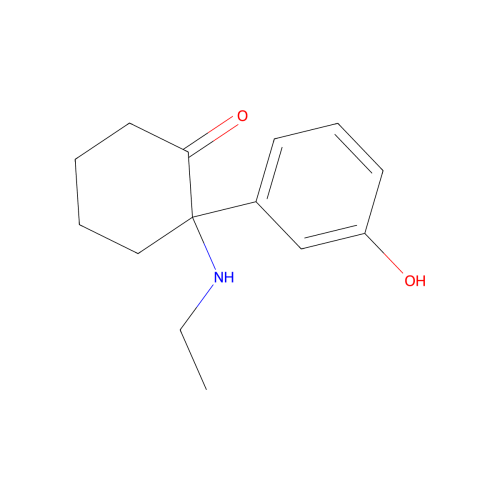
Hydroxetamine
Price range: $430.00 through $8,800.00Select options This product has multiple variants. The options may be chosen on the product page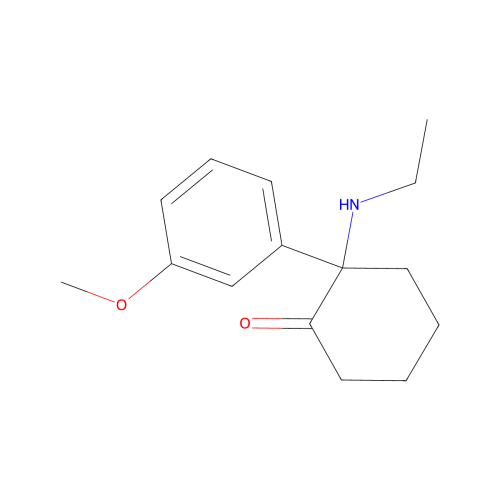
Methoxetamine
Price range: $430.00 through $8,800.00Select options This product has multiple variants. The options may be chosen on the product page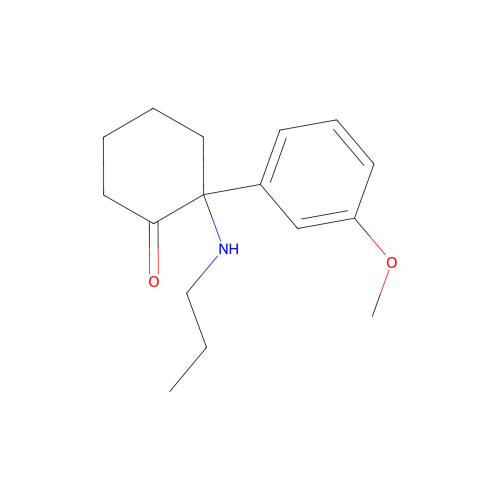
Methoxpropamine
Price range: $430.00 through $8,800.00Select options This product has multiple variants. The options may be chosen on the product page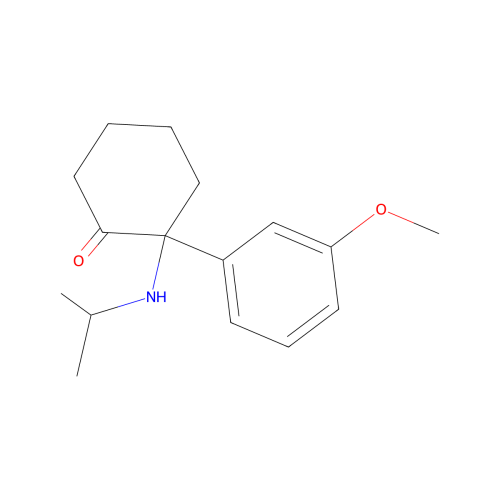
MXiPr
Price range: $430.00 through $8,800.00Select options This product has multiple variants. The options may be chosen on the product page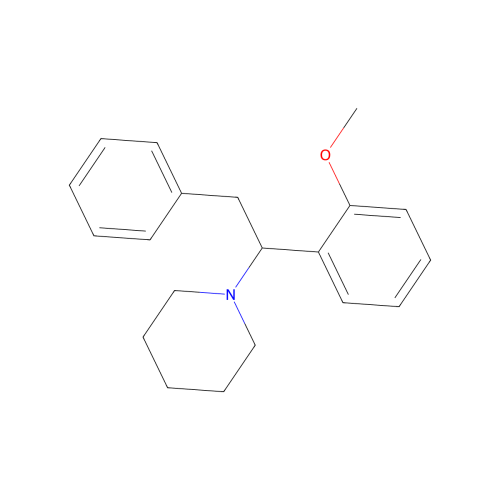
MXP
Price range: $430.00 through $8,800.00Select options This product has multiple variants. The options may be chosen on the product page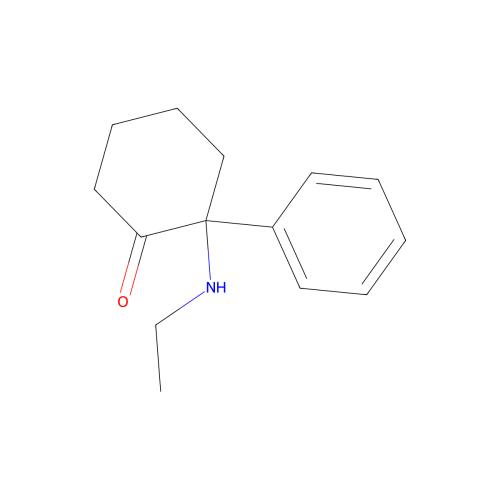
O-PCE
Price range: $430.00 through $8,800.00Select options This product has multiple variants. The options may be chosen on the product page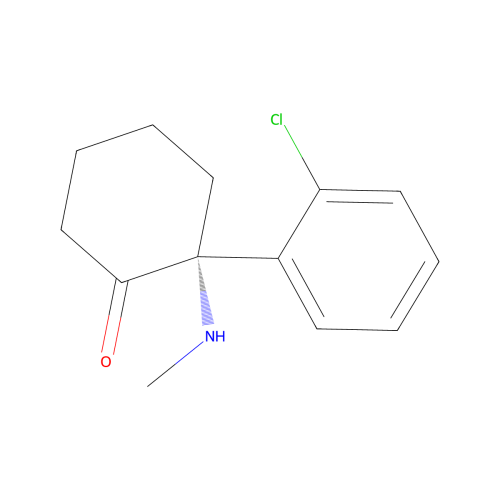
R-Ketamine
Price range: $430.00 through $8,800.00Select options This product has multiple variants. The options may be chosen on the product page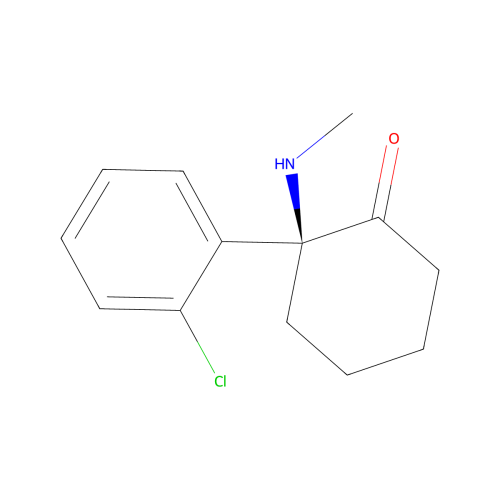
S-Ketamine
Price range: $430.00 through $8,800.00Select options This product has multiple variants. The options may be chosen on the product page