2-Fluoroethamphetamine (2-FEA) is a synthetic stimulant from the substituted amphetamine family. It is the N-ethyl analogue of 2-FA, with a fluorine atom at the 2-position of the phenyl ring and an ethyl group attached to the terminal nitrogen. It has appeared on the research-chemical market, but its effects in humans have not been studied in depth.
Chemistry
2-FEA shares the fluorinated amphetamine core of 2-FA. The additional ethyl group on the nitrogen distinguishes it from 2-FA, while the ortho position of the fluorine atom separates it from the 3- and 4-substituted compounds. It is therefore part of the same broad family as 3-FEA and 4-FA, but its structure is not identical to either.
Pharmacology
For a long time, the pharmacology of 2-FEA was inferred mainly from its structure and from reports about related compounds. It was proposed to act on dopamine, norepinephrine and serotonin transporters, potentially combining monoamine release with inhibition of reuptake. That description should be treated as a working hypothesis rather than a complete mechanism.
A 2026 in-vitro study provided a more direct measurement of its interaction with human monoamine transporters. The reported inhibition values were in a similar range for the dopamine and norepinephrine transporters, while inhibition of the serotonin transporter was substantially weaker. These laboratory results help define its transporter profile, but they do not establish how the compound behaves in the human brain or predict the subjective experience (Stalberga and colleagues, 2026).
Subjective effects
The available descriptions come largely from user reports collected in the PsychonautWiki profile of 2-FEA. They are not consistent: some describe a mild stimulant with few noticeable effects, while others report a more physical or emotionally pronounced experience.
Physical effects
Several accounts describe a combination of stimulation and sedation. The two can overlap rather than appearing as clearly separate phases. Some accounts describe a light body euphoria or tingling sensation, while others emphasise bodily heaviness or a subdued feeling.
Reported physical effects include increased heart rate and blood pressure, sweating, raised body temperature, pupil dilation, dry mouth and dehydration. Appetite suppression, nausea, frequent urination, restless legs, teeth grinding and temporary difficulty with sexual function are also mentioned. The frequency of these effects is unknown.
Visual effects
Visual changes are not a defining part of the reported experience. When mentioned, they tend to be mild: spaces may seem brighter, and surfaces may appear to drift or breathe. More complex transformations are described as unusual and generally occur in accounts involving intense or prolonged effects.
Cognitive effects
The mental effects are usually described as mild to moderate stimulation. Reports include increased focus, analysis, motivation and wakefulness, alongside mild cognitive euphoria and faster thoughts. Disinhibition, increased libido and greater appreciation of music also appear in some accounts.
Anxiety and paranoia are among the less pleasant effects. Some reports associate them with repeated exposure or prolonged wakefulness. Compulsive redosing and occasional delusional thinking are also listed, although the evidence is anecdotal.
After-effects
The reported comedown includes anxiety, cognitive fatigue, irritability, low mood and reduced motivation. Some accounts mention lingering wakefulness and a slower or less organised train of thought.
Toxicity and research limitations
Human evidence on the toxicology of 2-FEA is too limited for firm conclusions. The 2026 transporter study replaces some speculation based on chemical structure with in-vitro measurements, but it does not address acute poisoning, repeated exposure or long-term effects. No reliable human safety profile has been established.
Because 2-FEA has both stimulant and reported entactogenic features, its effects should not be assumed to match those of 2-FA or 3-FEA. The differences between user accounts may reflect individual variation, but the available information is too limited to explain them.
Related compounds
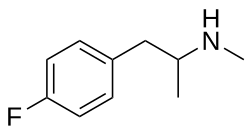
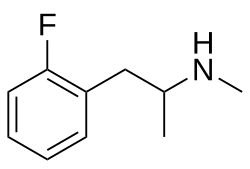
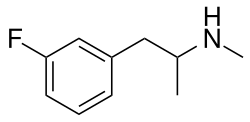
2-FEA is structurally related to 2-FA, its non-N-ethyl analogue, and to other fluorinated amphetamines such as 3-FEA, 3-FA and 4-FA. Its N-ethyl substitution distinguishes it from the corresponding N-methyl compounds.

Reviews
There are no reviews yet.