Psychedelics
People often use the word psychedelic as if it described a single type of drug. The term brings together compounds that can alter perception, thought and the sense of self, but the molecules responsible for those effects belong to several different chemical families. LSD, psilocybin and mescaline are familiar examples; newer compounds discussed in research-chemical settings add further structural and pharmacological variety.
For this category, the most useful starting point is the group of classical serotonergic psychedelics. They are commonly organised into three broad families: lysergamides, tryptamines and psychedelic phenethylamines. The categories are chemical, while the word psychedelic describes a pattern of effects. Those two ways of grouping substances overlap, but they are not the same thing.
What Does the Term Psychedelic Describe?
In pharmacology, classical psychedelics are usually discussed in relation to serotonin receptors, especially the 5-HT2A receptor. Activation of this receptor is strongly associated with the characteristic changes in perception and cognition produced by many compounds in this group. It is not a complete explanation of the experience. Other receptor systems, signalling pathways, the timing of exposure and a person’s psychological and physical state all contribute.
A recent review of hallucinogenic and non-hallucinogenic 5-HT2A agonists also makes an important distinction: activity at the same receptor does not guarantee the same subjective effects. Compounds can differ in receptor selectivity, efficacy and the signalling pathways they recruit. The term “psychedelic” therefore cannot be reduced to a single receptor-binding value.
The Main Chemical Families
Lysergamides and ergolines
LSD is the best-known member of this group. Lysergamides are based on the ergoline framework, a complex structure related to alkaloids found in ergot fungi. Newer analogues often differ from LSD by a relatively small chemical modification, but that does not make their pharmacology interchangeable. The 1P-LSD page and the dedicated lysergamides overview look at this group in more detail.
Tryptamines
Tryptamines have an indole ring connected to an ethylamine side chain. The family includes naturally occurring compounds such as DMT and psilocin, as well as synthetic derivatives. Psilocybin is converted in the body to psilocin, which contributes to its psychoactive effects. Other tryptamines, including 5-MeO-DMT and several substituted derivatives, have different receptor profiles and a much thinner clinical evidence base.
Phenethylamines
Mescaline and the 2C series belong to the psychedelic branch of the phenethylamines. Further substitutions produce compounds such as the DOx and NBOMe families. The addition of an N-benzyl group in NBOMe compounds can substantially change their activity at serotonin receptors. Some members, including 25I-NBOMe, have been associated with severe intoxications. See the phenethylamines page for the chemistry behind these differences.
How These Compounds Affect the Brain
Serotonin is involved in mood, sensory processing, attention and many other functions. Classical psychedelics interact with several serotonin receptor subtypes, although 5-HT2A activity is particularly important for their characteristic effects. Tryptamines and lysergamides can also show activity at 5-HT1A and other receptors, while many psychedelic phenethylamines have a different balance of receptor affinities.
Receptor binding and receptor activation are different measurements. An affinity measurement tells researchers how readily a molecule binds under the conditions of an assay. Functional studies ask whether it activates the receptor, how strongly it does so, and which intracellular signals follow. Neither measurement, on its own, predicts the full human response.
Why Similar Experiences Do Not Mean Similar Chemistry
Two substances may both produce visual changes or an altered sense of time while acting differently at a molecular level. The reverse is also possible: compounds that share a structural scaffold may produce noticeably different effects. Chemical subcategories help researchers compare molecules in more detail than a broad description of their effects allows.
The word hallucinogen is broader still. Dissociatives such as ketamine can produce profound changes in perception and awareness, but their principal pharmacology is different from that of classical serotonergic psychedelics. Deliriants are different again. The ability to cause hallucinations alone does not place them in this category.
What Is Known About Safety?
There is no single risk profile for psychedelics. A controlled clinical study of psilocybin or LSD takes place under conditions that are very different from an unregulated setting in which the identity and concentration of a substance may be uncertain. Even among classical psychedelics, duration, receptor activity, physical effects and the quality of human evidence vary.
Acute adverse reactions can include anxiety, panic, confusion, impaired judgement and behaviour that places a person in danger. Some compounds also produce cardiovascular effects. Potent phenethylamine derivatives, particularly some NBOMe compounds, have been linked to seizures, hyperthermia, vasoconstriction and serious toxicity. A review of NBOMe pharmacology and toxicology discusses the clinical cases that distinguish these compounds from better-studied psychedelics.
Research into therapeutic applications has expanded, but findings from carefully screened participants and supervised sessions cannot be generalised to every compound sold under a psychedelic label. Nor do early clinical findings establish long-term safety for related research chemicals.
How Researchers Compare Psychedelic Compounds
Studies combine receptor assays, animal models, analytical chemistry, pharmacokinetic measurements and, where justified, controlled human trials. The available evidence is uneven. LSD and psilocybin have been studied extensively compared with many newly encountered analogues. For a compound known mainly from forensic detections or online reports, basic questions about metabolism, duration and adverse effects may remain unanswered.
Analytical confirmation is also important. A blotter, powder or tablet cannot be identified reliably by appearance, and similar names may refer to different molecules. Methods such as LC-MS and high-resolution mass spectrometry can help establish identity, but the result depends on the reference data and validation available to the laboratory.
Frequently Asked Questions
Are all psychedelics tryptamines?
No. Tryptamines are one of three major structural groups of classical serotonergic psychedelics. Lysergamides and psychedelic phenethylamines are separate families.
Does 5-HT2A activity make a substance a psychedelic?
Not by itself. The receptor is central to the action of many classical psychedelics, but receptor activity alone does not determine the complete behavioural or subjective profile.
Are research-chemical psychedelics less studied than LSD?
Many are. Some have only receptor or animal data, while others are known mainly from case reports and forensic analysis. The amount of evidence should be considered compound by compound.
Showing 49–64 of 179 results
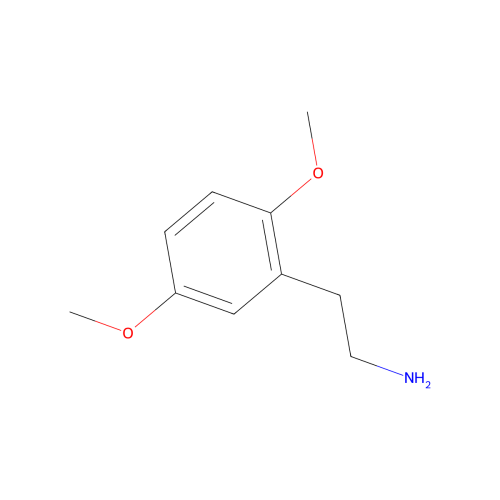
2C-H
Price range: $390.00 through $2,853.00Select options This product has multiple variants. The options may be chosen on the product page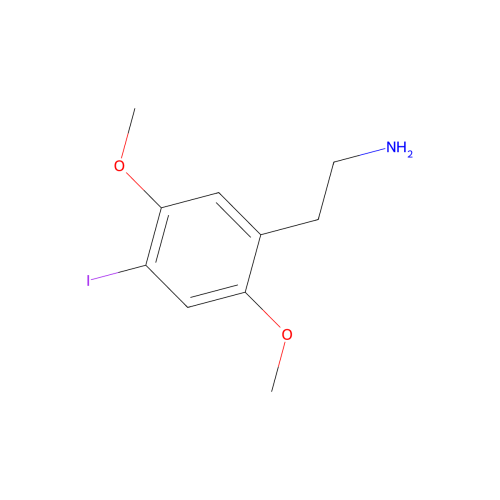
2C-I
Price range: $390.00 through $2,853.00Select options This product has multiple variants. The options may be chosen on the product page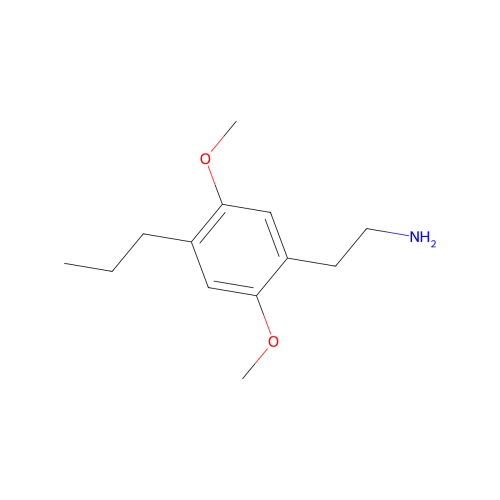
2C-P
Price range: $390.00 through $2,853.00Select options This product has multiple variants. The options may be chosen on the product page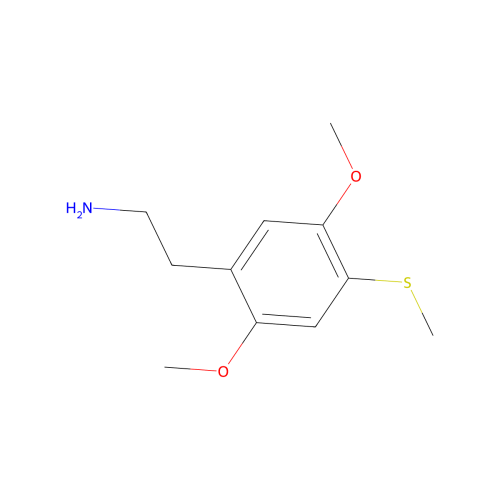
2C-T
Price range: $390.00 through $2,853.00Select options This product has multiple variants. The options may be chosen on the product page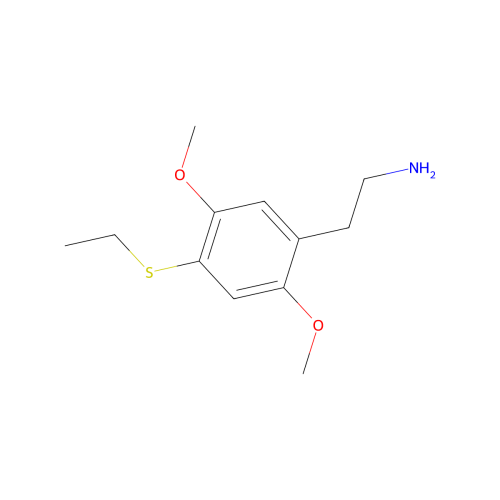
2C-T-2
Price range: $390.00 through $2,853.00Select options This product has multiple variants. The options may be chosen on the product page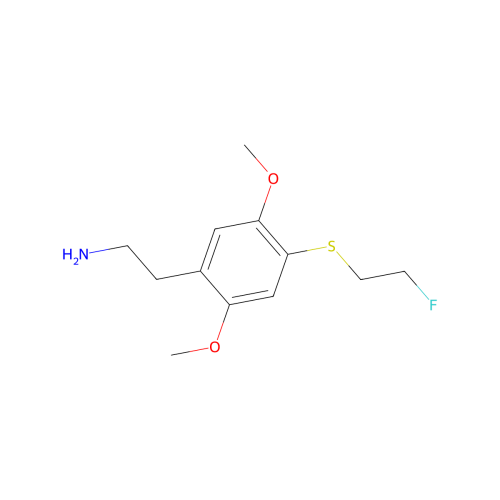
2C-T-21
Price range: $390.00 through $2,853.00Select options This product has multiple variants. The options may be chosen on the product page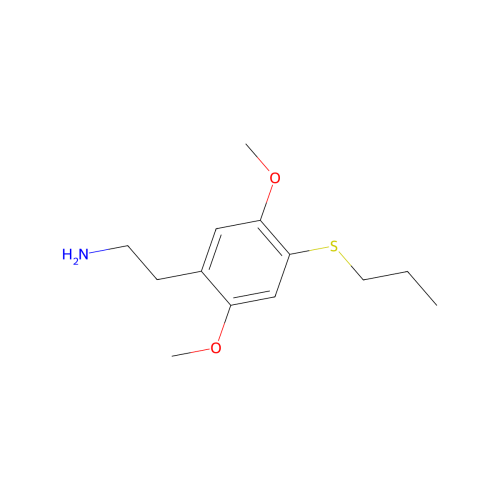
2C-T-7
Price range: $390.00 through $2,853.00Select options This product has multiple variants. The options may be chosen on the product page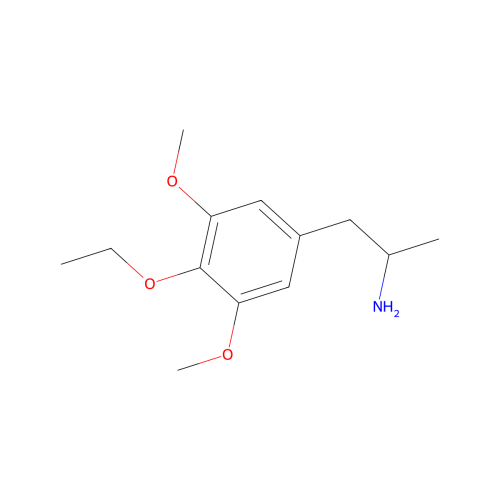
3C-E
Price range: $390.00 through $2,853.00Select options This product has multiple variants. The options may be chosen on the product page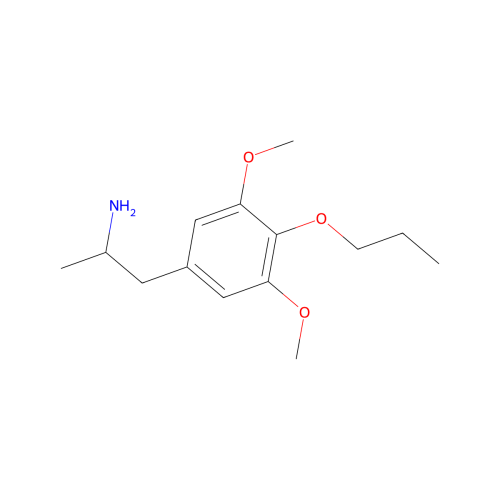
3C-P
Price range: $390.00 through $2,853.00Select options This product has multiple variants. The options may be chosen on the product page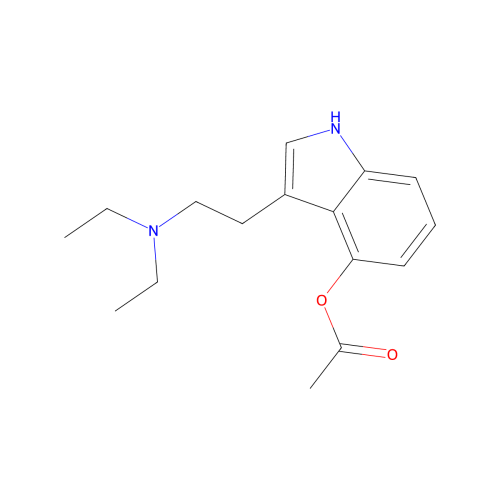
4-AcO-DET freebase
Price range: $370.00 through $1,980.00Select options This product has multiple variants. The options may be chosen on the product page
4-AcO-DET fumarate
Price range: $350.00 through $1,950.00Select options This product has multiple variants. The options may be chosen on the product page4-AcO-DiPT freebase
Price range: $370.00 through $1,980.00Select options This product has multiple variants. The options may be chosen on the product page4-AcO-DiPT fumarate
Price range: $350.00 through $1,950.00Select options This product has multiple variants. The options may be chosen on the product page4-AcO-DMT freebase
Price range: $370.00 through $1,980.00Select options This product has multiple variants. The options may be chosen on the product page4-AcO-DMT fumarate
Price range: $350.00 through $1,950.00Select options This product has multiple variants. The options may be chosen on the product page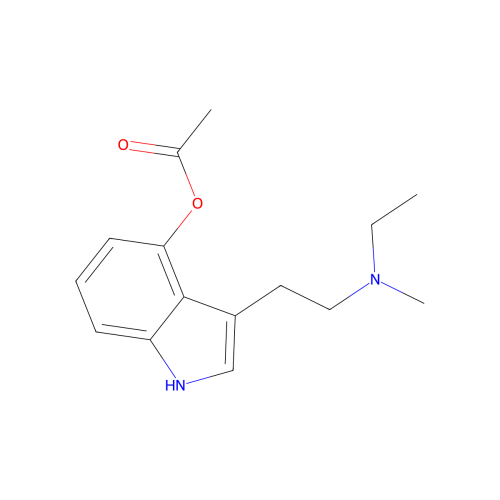
4-AcO-MET freebase
Price range: $370.00 through $1,980.00Select options This product has multiple variants. The options may be chosen on the product page