Stimulants
Stimulants are usually recognised by their effects: increased alertness, wakefulness and psychomotor activity. That description is useful, but it covers a wide range of chemistry. Amphetamines, synthetic cathinones, phenidates and pyrovalerone-related compounds can all act on monoamine signalling, yet the details of how they do so are not the same.
This page introduces the main stimulant groups represented in the research-chemical literature. More specific chemical discussions are available in the sections on amphetamines, cathinones, phenidates, phenmetrazines, pyrovalerones and pyrrolidinophenones. The broader research chemicals overview explains how these groups fit into the wider NPS landscape.
What Makes a Substance a Stimulant?
Many stimulants increase signalling by dopamine and noradrenaline, sometimes alongside serotonin. These monoamine neurotransmitters are involved in attention, motivation, movement, arousal and reward. A compound can increase monoamine signalling by promoting release, blocking reuptake, changing their storage in nerve terminals or combining more than one of these actions.
Transporter blockers and releasing agents act differently. A reuptake inhibitor reduces the removal of a neurotransmitter from the synapse. A releasing agent can enter the nerve terminal through a transporter and promote the movement of stored transmitter into the synapse. Both can increase extracellular monoamine levels, but they do so through different mechanisms.
Major Structural Families
Amphetamines
Amphetamines are phenethylamine derivatives with an alpha-methyl group. Many act as substrates at monoamine transporters and promote the release of dopamine and noradrenaline; their effects on serotonin vary. Research chemicals in this branch include compounds such as 2-FMA. Similarity to amphetamine provides a starting point for pharmacological comparison, not a guarantee of equivalent potency or duration.
Synthetic cathinones
Cathinone is a naturally occurring stimulant in the khat plant and is structurally related to amphetamine. Synthetic cathinones are often described as beta-keto phenethylamines because they contain a carbonyl group at the beta position. The group includes compounds such as 3-MMC, mephedrone, methylone and several pyrrolidine-containing derivatives.
Their actions at dopamine, noradrenaline and serotonin transporters vary considerably. Some behave more like transporter substrates and promote monoamine release; others, particularly certain pyrrolidine cathinones, act mainly as potent reuptake inhibitors. The 2026 UK harms assessment of synthetic cathinones reviews this variation and the clinical concerns associated with the group.
Phenidates
Phenidate compounds are related to methylphenidate and generally act by inhibiting dopamine and noradrenaline transporters. This differs from the releasing mechanism of many amphetamine-type stimulants. 4F-MPH is one example discussed in research-chemical settings. Data for the parent medicine do not automatically establish the pharmacology or safety of every substituted analogue.
Phenmetrazines and related compounds
Phenmetrazine is a stimulant with a distinct morpholine-containing structure. Related compounds have appeared in research and drug-monitoring contexts, but the evidence base is limited for many derivatives. Structural comparison can help organise the chemistry; it does not substitute for studies of transporter activity, metabolism or clinical effects.
Pyrovalerones and pyrrolidinophenones
Pyrovalerone-related stimulants include compounds with strong activity at dopamine and noradrenaline transporters. Some, such as MDPV and related pyrrolidinophenones, are potent reuptake inhibitors rather than typical monoamine-releasing agents. This distinction helps explain why compounds within the wider cathinone family can have quite different pharmacological profiles.
Pharmacology: Similar Endpoints, Different Routes
Raising dopamine and noradrenaline signalling can increase alertness and motor activity, but the effects of a particular stimulant depend on which transporters it affects and how. A compound with relatively greater activity at the dopamine transporter may differ from one with a stronger serotonin component. Metabolism, brain penetration and the speed at which concentrations rise and fall also influence the overall profile.
A review of synthetic cathinone interactions with monoamine transporters describes how structural changes can shift transporter activity. A family name alone cannot establish a mechanism of action. Researchers need compound-specific functional data before drawing conclusions about how a new stimulant is likely to behave.
Acute Effects and Health Risks
Stimulant exposure can increase heart rate, blood pressure, alertness and body temperature. Unwanted effects may include anxiety, agitation, insomnia, tremor, confusion and paranoia. Severe intoxication can involve hyperthermia, seizures, arrhythmias, stroke, rhabdomyolysis or acute kidney injury. The pattern varies by compound, exposure and the presence of other substances.
The updated UK assessment of synthetic cathinones describes reported neuropsychiatric, cardiovascular and thermoregulatory complications, including hyperthermia and muscle breakdown. These are clinical concerns, not inevitable outcomes for every compound. Case reports and poison-centre data are valuable for recognising hazards, but they do not provide a complete measure of incidence.
Combining stimulants can make the effects harder to predict, particularly when more than one compound increases monoamine signalling or cardiovascular strain. Other combinations may mask warning signs or complicate medical treatment. An unregulated product may also contain a substance different from the one named on its label.
What Researchers Know – and What Remains Unclear
Established medicines such as amphetamine and methylphenidate have been studied in clinical settings. Many research-chemical stimulants have not. Their evidence may consist of transporter assays, animal experiments, forensic detections and case reports. That information can identify likely mechanisms and possible adverse effects, but often leaves basic questions about human pharmacokinetics and long-term outcomes unanswered.
Research coverage varies considerably between stimulants. Synthetic cathinones are a particularly diverse group, and a result for mephedrone or MDPV cannot simply be applied to another substituted cathinone. The same caution applies to phenidate and amphetamine analogues.
Analytical Identification
Forensic laboratories use methods such as GC-MS, LC-MS/MS and high-resolution mass spectrometry to identify stimulant compounds and their metabolites. Closely related isomers may require additional separation or reference standards. Screening assays are usually designed for familiar drug classes and may not recognise every new derivative.
Identification, purity and concentration are separate analytical questions. Confirming that a sample contains a particular stimulant does not establish how much is present throughout the sample, whether other substances are mixed in, or what effects an exposure will produce.
Frequently Asked Questions
Do all stimulants release dopamine?
No. Some are transporter substrates that promote release, while others mainly block reuptake. The mechanism varies between chemical families and individual compounds.
Are synthetic cathinones all similar to amphetamine?
They share a related chemical framework and stimulant effects, but their transporter activity can differ substantially. Some act as releasing agents; others are primarily reuptake inhibitors.
Does a familiar stimulant name mean the analogue is well studied?
No. A compound may resemble a medicine structurally while having little human research behind it. Evidence must be evaluated for the specific molecule.
Showing 17–32 of 64 results
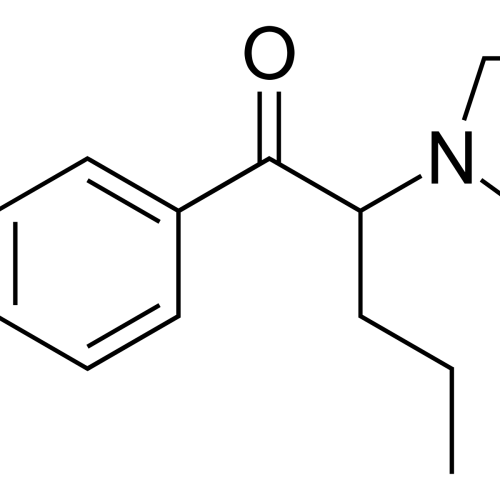
4-CL-PVP
Price range: $390.00 through $8,300.00Select options This product has multiple variants. The options may be chosen on the product page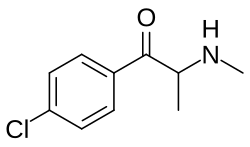
4-CMC
Price range: $450.00 through $8,700.00Select options This product has multiple variants. The options may be chosen on the product page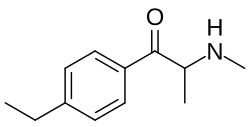
4-EMC
Price range: $450.00 through $8,700.00Select options This product has multiple variants. The options may be chosen on the product page
4-FA
Price range: $380.00 through $8,100.00Select options This product has multiple variants. The options may be chosen on the product page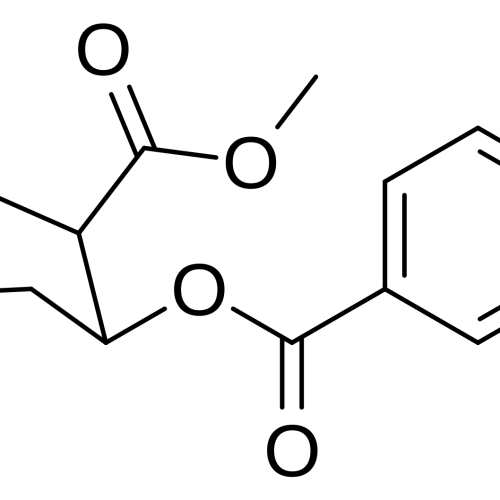
4-Fluorococaine
Price range: $450.00 through $8,700.00Select options This product has multiple variants. The options may be chosen on the product page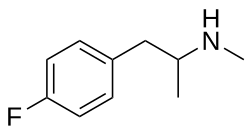
4-FMA
Price range: $380.00 through $8,100.00Select options This product has multiple variants. The options may be chosen on the product page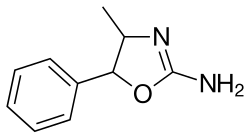
4-MAR
Price range: $450.00 through $8,700.00Select options This product has multiple variants. The options may be chosen on the product page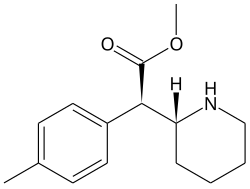
4-Me-TMP
Price range: $450.00 through $8,700.00Select options This product has multiple variants. The options may be chosen on the product page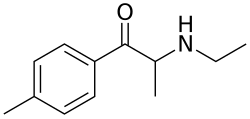
4-MEC
Price range: $450.00 through $8,700.00Select options This product has multiple variants. The options may be chosen on the product page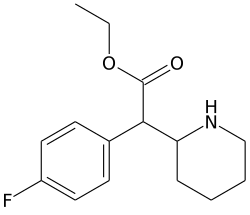
4F-EPH
Price range: $460.00 through $8,900.00Select options This product has multiple variants. The options may be chosen on the product page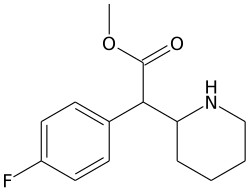
4F-MPH
Price range: $460.00 through $8,900.00Select options This product has multiple variants. The options may be chosen on the product page
4F-piHP
Price range: $450.00 through $8,700.00Select options This product has multiple variants. The options may be chosen on the product page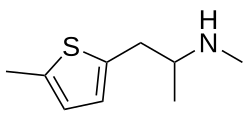
5-MMPA
Price range: $450.00 through $8,700.00Select options This product has multiple variants. The options may be chosen on the product page7-ADD
Price range: $450.00 through $8,700.00Select options This product has multiple variants. The options may be chosen on the product page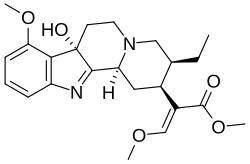
7-OH
Price range: $450.00 through $8,700.00Select options This product has multiple variants. The options may be chosen on the product page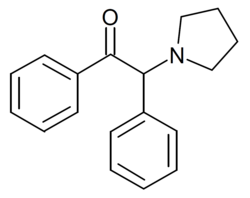
a-D2PV
Price range: $390.00 through $8,300.00Select options This product has multiple variants. The options may be chosen on the product page